Water

I never realized how much and how often I use water until I recently was without water for 72 hours. It also took such an experience for me to understand one reason why Paraguayans are so helpful—they’re used to muddling through inconveniences like no water.

Now, let’s set the record straight. For a portion of my childhood my family lived without running water; I am not opposed to hauling water from wells or streams. I am not against using compost toilets or latrines. But when the motor to my community’s water pump broke, I was up a very dry creek because I neither have a well nor a latrine. There are no streams near my house. To make matters worse, the night the water went out was the night I was planning to do laundry. I air-dry my clothes, so staying ahead is critical because it can sometimes take days for clothes to dry.

I have perhaps 10, 2-liters bottles of water for times when the water doesn’t work. It’s not uncommon for it to go out for a couple hours or for a day. I keep a basin of water for bathing—I’ll be damned if unreliable water keeps me from exercising whenever I want. But, like every time the faucet sputters with the cheeky emptiness of air, I fear that it won’t come back for a long time. And, on this most recent occasion my nightmare did come to pass:. Days without water.

I can bathe with six liters of water (or less if I don’t wash my hair). But, what about flushing the toilet? Washing dishes? Washing my hands? Drinking water? Tea? Terere? Laundry?

The point is that no water is bad news bears.

But, the wonderful thing about Paraguay, and my community, is people are helpful. Further, the water was only out in one half of my community and many people still have wells from the days before town water. I got several offers to go to people’s houses to shower and wash my clothes. I took up the offer on the third day, fearing the worst because some people in the community said the water would be back that day and some said it wouldn’t come back until the end of the week. I lugged my laundry, soap, fabric softener, and several empty bottles to a friend’s house. Little bucket by little bucket I harvested water from her well to wash my clothes and fill my bottles. I’ve washed my clothes by hand since coming to Paraguay, but never at a neighbor’s house. My clothes washed and rinsed, I stuffed them in plastic bags and in my backpack and tromped back to my house—dripping the whole way—to hang them on my clothesline. The water came back after that, if it hadn’t I would have started a shower rotation among friends’ houses.

Soda

Soda is a bubbly drink that comes in many flavors and contains a pile of sugar. Sugar-free sodas replace the mountain of sugar with synthetic sweetener (even if you can stand the flavor of fake sugar, I suggest looking up the latest research on the effects of that before switching to zero-calorie drinks). Some sodas taste pretty darn good. Many people like carbonated drinks.

In Paraguay, soda with sugar is common (sugar-free sodas are less common here, so I’m not going to talk about them). Bus venders sell soda by the bottle and by the glass. A neat thing about soda here is you can by 2-liter glass bottles, which you then return to the place where you bought them. Actually, soda in glass bottles is very common in Paraguay…the only part of soda culture that I adore.

I’d be lying if I said that soda is drunk in moderation in my community. People guzzle down glass after glass of Coke, Niko, Piri, Fanta, Pepsi…I didn’t know there were so many brands of soda. It’s common for a family to down a 2-liter bottle after lunch (the biggest meal of the day). Like in the US, soda is served at parties and is a common “refresher” to go along with a snack or to drink while sitting with friends and family. The only thing that slows people down is that soda is usually drank with a common glass—so either one glass (or several glasses) is passed around to everyone or people take turns drinking a full glass, but only use one or two glasses for everyone.

The complaints about the health effects of soda are the same no matter where you are. Summary: Soda has too much sugar. The sugar rots your teeth, is generally bad for your body, and can make you gain weight in an unhealthy way. But, I find the knowledge of that to be lagging in Paraguay. I hear frequently from mothers and other caretakers of children that kids should not eat candy because it’s bad for their teeth. I hear people note often that sweets and carbohydrates make you gain weight. Very few people say anything about soda. Kids are infrequently denied a second, or third, glass of soda while they might be denied another cookie.

How did soda escape scrutiny?

Family Planning and Religion

HouseOne of the topics about which I will teach here is family planning. Before coming to site, I was concerned about the topic because of how polarizing it is in the US. I worried that there would be as much religious rhetoric against contraception and teaching sexual health in Paraguay as there is in the US. Paraguay is a Catholic country and I wondered if some of the same denial of basic health realities was present here as in the US. It is not.

Family planning and sexual health in Paraguay is not a subject cramped by religion. It is awkward and hard to talk about, just like in the US, but not because of religious beliefs. I find it awkward because of the power relationships between men and women here. And, well, because it’s just a hard subject to discuss eloquently.

In Paraguay, birth control pills and condom are free and offered at every public health clinic in the country. To get birth control pills a woman simply needs to go to the health clinic, request them, and present her ID. Sexual education is taught in many schools. I like to think Paraguay is transitioning to a family model that allows women to have the number of children they want when it makes sense for them. Paraguay isn’t there yet, but it’s on its way.

One thing I find particularly interesting about the relative ease of discussing family planning in Paraguay is that abortion is illegal. Period. Having one national set of laws in Paraguay that governs actions related to family planning makes it easier than in the US to know what can be said and can’t be said when teaching.

Drinking: Underage and Driving

DawnDrinking is just as common in Paraguay as it is in the US. The difference? Paraguayan private and public organizations haven’t sunk as many millions of dollars into raising public awareness about alcohol safety. The result? People are getting harmed.

You’ll see 15-year-olds get drunk in front of their parents, with beer their mother bought. You’ll see drunks finish their drink and hop on their motorcycle or in their car. Few people talk about the fact that driving is impaired by alcohol consumption, and fewer wear seat belts (ever) or opt out of riding vehicles operated by people under the influence.

You know there’s a reason why you’re not supposed to start drinking too young: it can affect brain development. As for drunk driving—if you’ve ever been sober while riding in a vehicle operated by someone who’s been drinking you already know it’s terrifying. According to one report, Paraguay has one of the highest motorcycle-related mortality rates in the Americas, with a rate of 2.5 deaths per 100,000 from 1998-2010. And according to another report, one of the highest traffic injury-related mortality rates in the Americas.

I get that people just want to have fun. But, do responsibility and fun have to be mutually exclusive? I think not.  My quandary: How can I help transmit this message in Paraguay? More difficult still: How can I help encourage behavior change to improve drinking safety?

Bad Habits

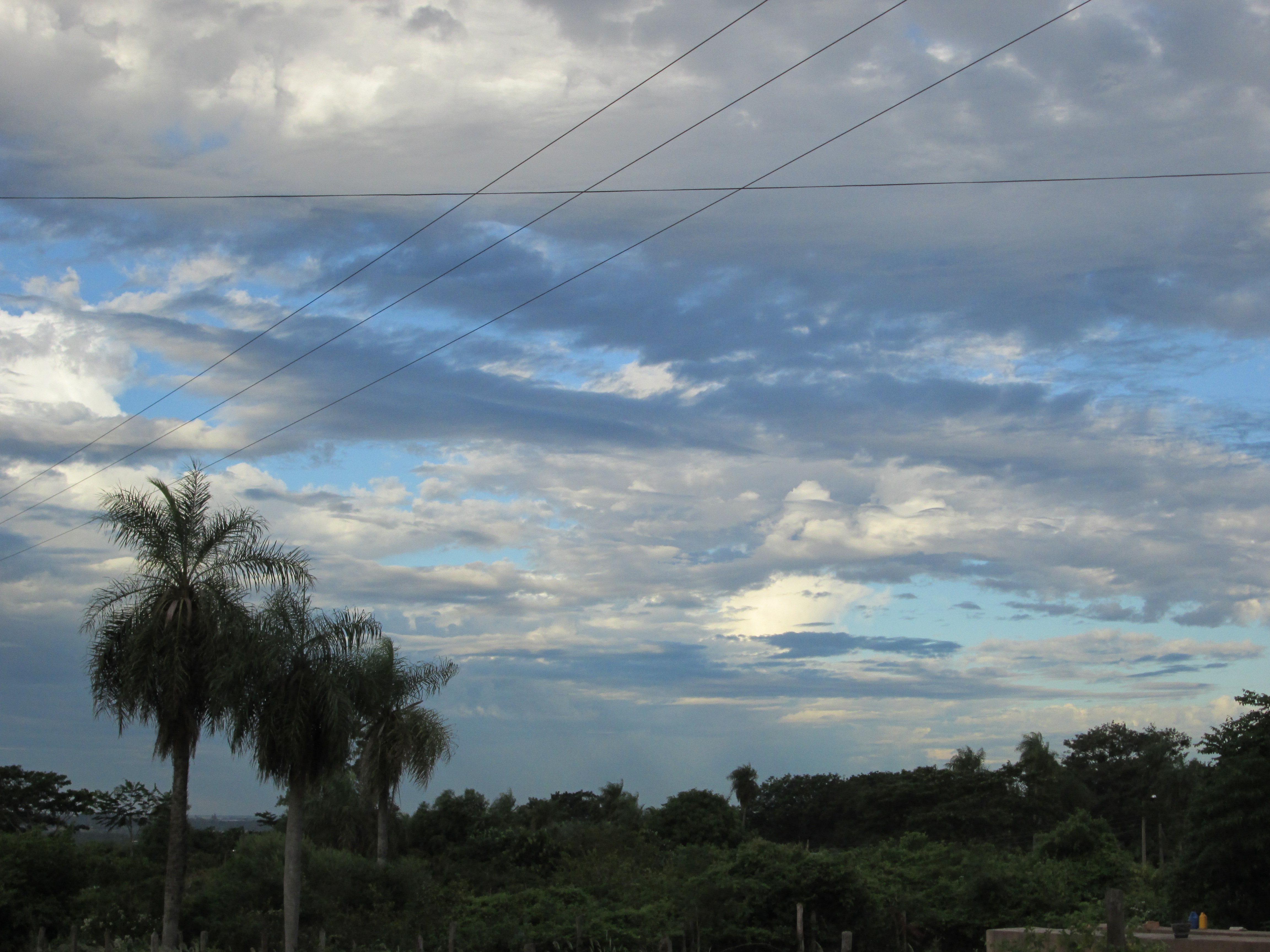
Paraguayan skyWhy is the knowledge that something is bad for you not enough to make you stop doing it?

I’ve been thinking about this question a lot recently. When I tell Paraguayans that I’m in Paraguay to teach about health they jump right in and tell me how bad the Paraguayan diet is. Paraguayans tell me their food “has a lot of fat” or that the food “is heavy.” They tell me that there are a lot of people who are overweight, have diabetes, or have high blood pressure.

Next, Paraguayans ask if I like their traditional foods like sopa paraguaya, tortillas, and mandioca. They tell me they want to lose weight, but then put three tablespoons of sugar in the milk they are going to drink with bread. They ask, already knowing the answer, if they should eat fewer carbohydrates if they want to lose weight. They explain how they don’t exercise or eat vegetables.

I don’t know if the people I talk to know that different foods have different nutrients or that balancing calorie intake and calorie burn is the center to weight control, but it’s clear they know what they are consuming isn’t the healthiest option.

If they know it’s bad for them, why aren’t they trying to change it?

  • Is it habit?
  • Is it that they don’t know how to cook different foods?
  • Is it taste preference?
  • Is it cost?
  • Is it cultural heritage?
  • Is it a lack of information or understanding about what makes food healthy or unhealthy?
  • Is it something I’m not seeing?

In the past, I wrote about developing public health programs that encourage change by focusing on the out-of-box-experience. But, as I work in Paraguay, it’s daunting. Clearly, a lack of knowledge isn’t the only thing at work here. But what can I do other than provide information?

Where Public Health Fits Into the Health Picture

ClimbingParaguay and Health Care

Every country has it’s own way of trying to protect its citizens’ right to health. In Paraguay, there is universal health care. This means that consults and medications are free. Well, at least that’s the idea. Most people have access to doctors and nurses trained in family medicine, but things get complicated when it comes to medications and access to specialists.

Every medical facility in Paraguay doesn’t always get all the medications it needs for its patients. (Paraguay is working to decentralize its medical system with the hope to reduce some of the bureaucracy that might be contributing to these shortages.) As for specialized care, it’s unsustainable for every health clinic to have specialist in all areas, so they are centralized regionally in hospitals and health centers.

These limitations sometimes mean individuals go without the medications or care they need. Public health has a role to play to help relieve strain on the health care system by helping people lead healthier lives in the first place.

Barriers to Medicines and Specialized Care When They Are Not Available in Local Clinics

The main barrier is access. When a local clinic doesn’t have a needed medication patients must either buy it or find a public health facility that has the medication.

For families where money is short or income is unreliable, it means individuals go without their medications—a scary thought in a land where hypertension and diabetes are leading conditions.

Traveling to another medical facility might also be out of the question. It costs money to travel—whether by bus, by dirt bike, or by car. What’s more, it takes time that individuals might not have. For those who work, they can’t be absent from their jobs. And, for those who are looking after a house, there’s food to cook, children to watch, and clothes to wash.

When patients have to travel to a regional facility for care they face the same challenges as accessing medications. It’s not uncommon for local health care providers to use their personal money and vehicles to help people see specialists. But, that is limited because it puts stress on health care providers beyond their normal work and their vehicles may not fit everyone who needs to see a specialist.

There’s no silver bullet for resolving barriers preventing people from the health care they need. But, one thing is for sure; the more we can do to help prevent illness the better off individuals will be. That’s why health education and providing individuals with advice on how to lead healthier lives makes a difference.

Turn On the Public Health

Palms and ParaguayMy latest quandary (excluding all the integration and assimilation challenges I face) is not whether I will have work but rather where to begin. The community clinic and school where I plan to start my work seem open to have me do everything I can do to share information about health. What’s more, my school expressed commitment to teaching life skills and sexual health, my dream topics, along with all the other PC community health focus areas (plus some, like drug prevention).

I can see the need for public health education—from five-year olds with rotting front teeth to pregnant teens. It’s exciting to transition from creating health education materials in an office far removed from those I was trying to help to working with my target audiences directly. It’s a wonderful puzzle trying to find resources and find methods to convey information in a way that each audience will find useful.

It’s not going to be easy. I still don’t know how to say everything I want to say in Spanish (or Guarani). I don’t yet have allies in the community I know will help me or know if anyone will show up to whatever activities I do plan. I’m not sure I know enough about all the topics about which I’m supposed to teach.

I’m excited all the same. I have two years to give it my best shot. I hope by the end I’ve given at least a couple of people information they can use to improve their health and that of their loved ones.

I see a lot health presentations, lectures, games, and activities in my future. Don’t worry; I’ll let you know what works for me and what doesn’t.

Why Am I in Paraguay: Peace Corps Goals

A Paraguayan viewI know the Peace Corps and its work sounds abstract, being hard to explain is one of the many challenges of international development. Before leaving for Paraguay, many people asked what I would be doing and I couldn’t tell them. Here is my post-training attempt to define my work as a volunteer.

The Peace Corps Goals

  • To help the people of interested countries in meeting their need for trained men and women
  • To help promote a better understanding of Americans on the part of the peoples served
  • To help promote a better understanding of other peoples on the part of Americans

Cultural Exchange

The first job (and inevitable outcome of a job well done) of Peace Corps volunteer (PCV) is cultural exchange. Cultural exchange means learning about your host country’s culture and sharing about the culture of the US.

As a PCV, I’ve lived with a host family almost 3 months now and will live with one for almost 5 months when all is said and done. Living with a host family gives me the chance to learn what Paraguayan family life is like, eat tons of Paraguayan food, and ask endless questions about social events, pastimes, and beliefs. On the flip side, it also allows my host family to ask billions of questions and allows me to combat myths about the US, share my music, share American food, and offer a new perspective.

Of course, this exchange isn’t limited to my host family or the time I will live with them. Through all my interactions with community members, including people just seeing me do what I do, we are exchanging culture. Also, this blog, conversations with friends in the US, and all the stories I will tell when I get back to the States work toward the cultural exchange goals.

Health Education and Public Health

As a community health volunteer my work toward helping Paraguay develop skilled men and women involves raising awareness about health issues and working to improve health environments. The community health sector goals in Paraguay are:

Goal 1: Improve hygiene and environmental health practices

  • Dental health: I could teach why brushing your teen is important and how to brush properly. It is normal in Paraguay to see children with visible rotten teeth and for people to be missing some or many of their teeth.
  • Hand washing and parasite prevention: I may teach kids how to wash their hands correctly and parents how to recognize if their children have parasites. The main types of parasites found in Paraguay are giardia, roundworm, and hookworm.
  • Sanitation Practices (trash management and potable water): There isn’t trash collection in most places in Paraguay so most families burn or burry their trash. Water pollution can be a problem in some areas of Paraguay because of sewage management and livestock, among other things. Many people don’t think twice before throwing trash on ground.
  • Cook Stoves: Many families in Paraguay use open fires to cook. The Peace Corps has developed several wood cook stoves that when built can improve cooking efficiency, reduce the risk of burns, and reduce respiratory problems aggravated by breathing smoke.

Goal 2: Reduce the risk of non-communicable diseases (NCD)

  • Non-communicable diseases education: NCDs are diseases that can’t be passed from one person to another. Some of the most common NCDs in Paraguay are diabetes, hypertension, and obesity.  I could provide general information about these diseases and teach about nutrition and exercise as a way to control and prevent NCDs.
  • Gardens: I’m planning to have my own veggie garden, help my school have a school garden, and work with anyone who wants help making their own veggie garden. Gardens are a great opportunity to promote healthy eating and diversify the veggies available to families.

Goal 3: Reproductive Health:

  • Life Skills: I will work with youth to help them expand their decision-making and problem solving skills, critical and creative thinking abilities, communication and interpersonal relationship strategies, self-awareness and sense of empathy, and stress and emotional strain coping strategies.
  • Sexual and Reproductive Health: I may talk to youth about what sex is, STDs, and family planning strategies.
  • HIV/AIDS: As part of reproductive health, I could work to educate youth about what HIV is and how it is transmitted. Also, through this work I can hopefully help reduce discrimination against people who are living with HIV.

We Built a Fogone

A fogone is a wood-burning cook stove. It is made out of brinks and mud/cement.

In rural areas of Paraguay some families still cook all their meals over open fires. Oftentimes these fires are under a roof or inside the house. While cooking over an open fire is just fine while you are camping, it can negatively impact health if used for all meals throughout a lifetime.

Negative effects of open-fire cooking as a part of daily life:

  • Back problems caused by having to bend over to cook
  • Increased risk of upper respiratory infections due to breathing smoke
  • Burns, a bigger risk for children playing by fires

A fogone offers an economical solution for families that use wood to cook. Gas is expensive and many traditional Paraguayan foods require a lot of time to cook. Wood is generally inexpensive and can be an environmentally friendly, sustainable option if the wood is harvested correctly.

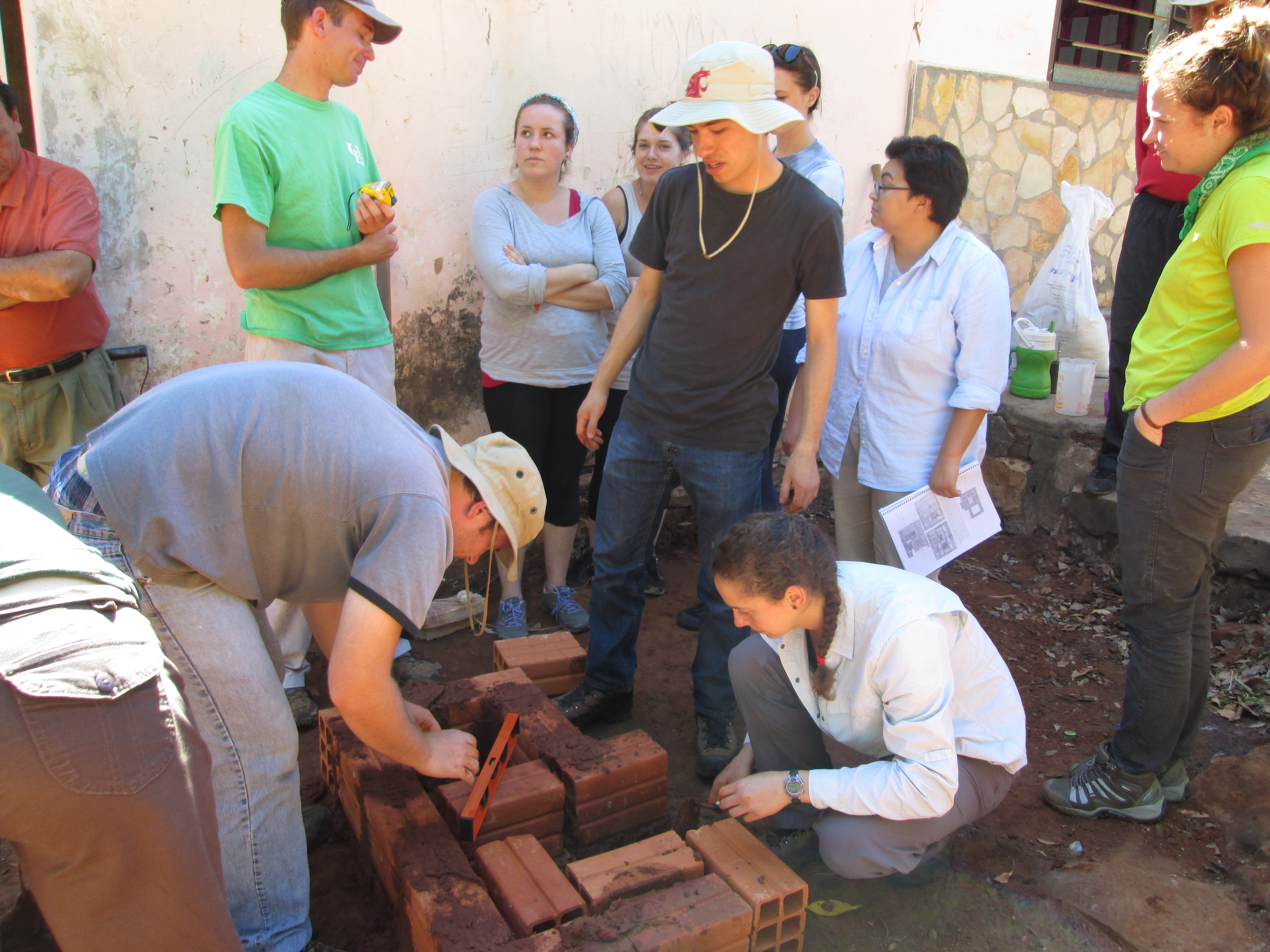
Building the first couple layers of the fogone.

Building the first couple layers of the fogone.

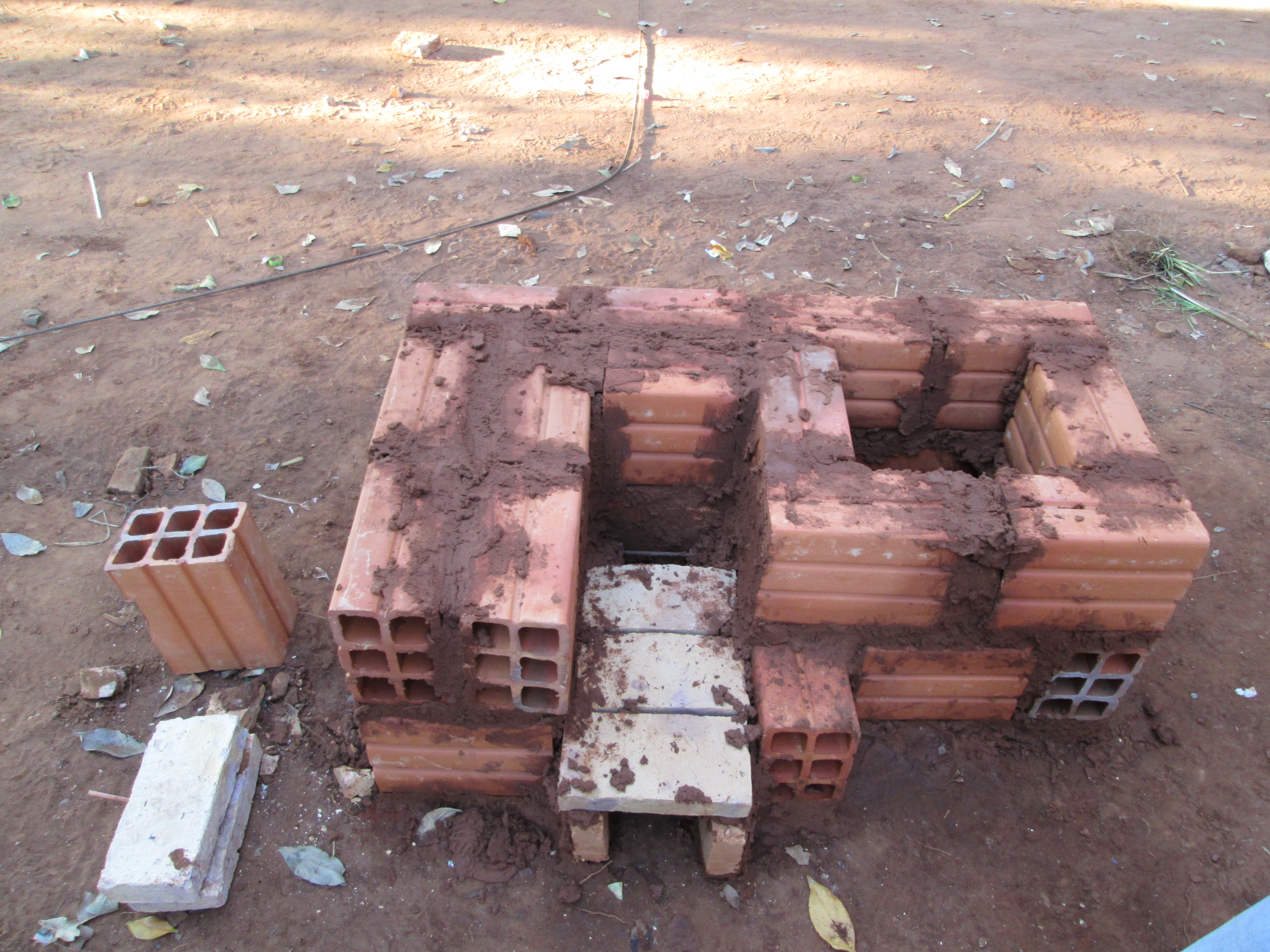
First two layers of the fogone.

First two layers of the fogone.

Backside of the fogone.

Backside of the fogone.

Frontside of the fogone.

Frontside of the fogone.

Checking out the done fogone - photo courtesy of Kelsey Levering

Checking out the done fogone – photo courtesy of Kelsey Levering

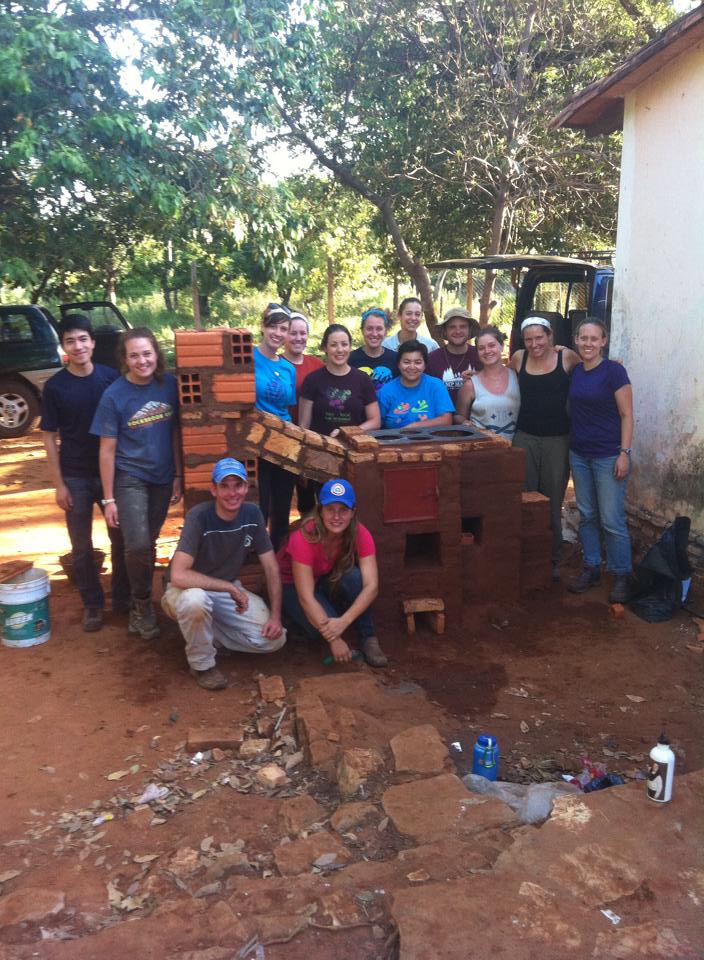
The fogone is done! - photo courtesy of Kelsey Levering

The fogone is done! – photo courtesy of Kelsey Levering


Open Hearts, Heat, and Carbs

Open Hearts 

We fit in the bus!

We fit in the bus!

The people of Paraguay are what make the country wonderful.

For training (about 10 weeks) I’m living with a host family of seven – a father, a mother, two sisters around my age, one sister and one brother about 10 years younger than me, and a much younger sister.

I feel like a long-lost cousin—one that wasn’t born in Paraguay but has always been part of the family. My family makes me feel welcome and included even though I don’t know Guaraní (Spanish has been a great bridge) and I know few of the social norms of Paraguay.

In Paraguay you say “hi” to people when you walk by and it’s not strange to look at people as you pass them. It’s the small town of New England without the icy edge of New Englanders. News travels fast and everyone has countless cousins. The most practiced pastime is sitting with family and friends while chatting and drinking tereré.

It’s Hot

A classroom

A classroom

Paraguay is hot. It’s the kind of hot where doing nothing but sitting and drinking tereré for hours makes a whole lot of sense. It’s the kind of hot where you don’t want to sit on plastic lawn chairs. It’s the kind of hot that a fan can barely tamper. It’s the kind of hot that makes you understand why the Paraguayans are described as tranquilos (calm)—because it’s just to darn hot to be anything else.

Carbs, Meat, and Fat

In the US we blame a (large) portion of our battle with non-communicable diseases, like diabetes and obesity, on processed food. And, while the Paraguayans I’ve met don’t eat many processed foods, I can’t say the average diet here is much healthier – enter the carbohydrates, meat, and fat. Most of the traditional foods in Paraguay are heavy in carbs (especially corn and mandioca) and involve frying or fat is some other way…and red meat. And, much like processed food they are quite delicious (“rico” in Spanish).

One of my trainers did a good job of putting the diet into prespective. The trainer mentioned that many of the foods served Paraguayans well when they were working long, hard days in the fields. But, now that life has changed and things are easier the calories aren’t needed anymore. Things, like food, that have a deep cultural connection evolve a lot slower than society moves into modernity.

Some traditional foods

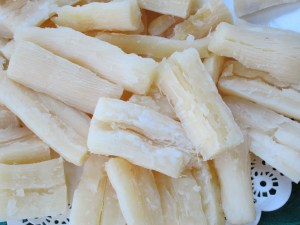
Mandioca – boiled

Mandioca


Sopa Paraguaya – a type of corn bread with cheese

Sopa Paraguaya


Tortillas Paraguayas – fried flour, eggs, milk, salt, and veggies

Tortillas Paraguayas