Names: Why Do I Care?

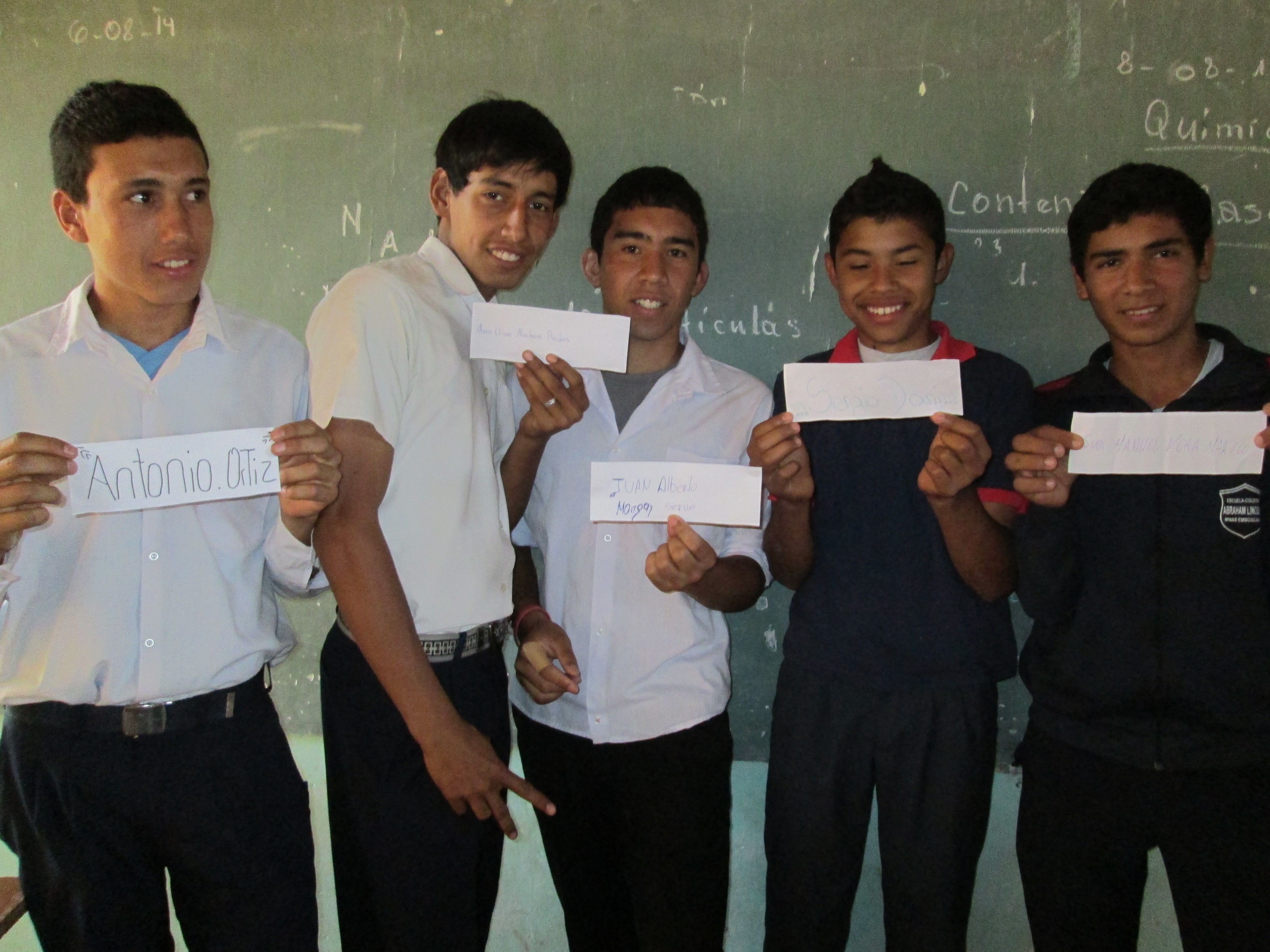
I took photos of my students with name tags so I could study.

I took photos of my students with name tags so I could study.

I’m working with 200 students, spread out over 10 classes. That’s a lot of names to learn, but I’m determined to do it. Why? Answer: There’s something powerful about being able to address people by their names.

What is so powerful about a name? In Paraguay you can tell a lot about a person by their name. Almost everyone has four names—first, second, mom’s last name, and dad’s last name. Often, one of the first two names can give you a clue as to when the person was born because it relates to the saint of a person’s birthday. And, in a community where few people move away, the two last names can help you make connections between people. It’s a relatively safe bet that if two students share one of their last names they are related somehow.

My worked is founded on relationships. I’ll never know how my time here impacted the lives of the people in my community—development and public health are a slow process. And, on top of it, I’m focusing on intangibles like self-esteem. The way I see it, the one thing I can do is set example. I can really only control what I do, so I might as well try to exemplify the life skills about which I’m preaching. For me, that starts by respecting people. Respect starts with giving people the time they deserve.

When working with youth it’s easy to lump them into categories—the studious, the bad kids, the troublemakers—but that practice won’t help anyone. I’ve noticed that as I get to know my students a little better each has his or her own way of being, a way of being that is as unique as their name. I want know the person behind the name, so I might as well start by learning the names.
The Only Thing to Do Is Laugh

I learned very quickly that most Paraguayans are on the hunt for a laugh. And, as a stranger here, my mere existence is inherently funny. Yes, the constant jokes can be wearing, but I’ve also realized that looking for the next laugh is a pretty nifty way to live.

Paraguay, as a place, seems to reflect the humor of its people. It was not more than a day after posting Squashing More Than Roaches, in which I boast that I’m not scared to squash roaches with my flip-flops that my claims were put to the test.

On that evening I came home from visiting a family. I was in a good mood because I got invited to two lunches, a soccer game, and a party. I turned on the light and a large roach was chilling in the middle of my floor. The occasional roach is not a surprising occurrence, so I prepare to smash it. The only option is to annihilate a roach when I see it because of the anger (maybe unjustified) that boils up in me upon the sight of one.

If you’ve never had to go after a roach yourself, you can take my word when I tell you they are quick little buggers. So, this particular roach I tried to whack several times, with a floor detergent bottle I was saving for some recycling project, before I landed a good one. During the pursuit, I discovered 2 things: 1) there was another roach on the inside of the backdoor, which I proceeded to demolish as well, and 2) these two roaches were not alone. Concealed in the corner behind my bathroom door was a nice little cavern in the brick wall that was serving as a roach condominium.

An hour or so later the roaches were mostly defeated. I’d smashed nearly 15, maybe 20, with my detergent bottle, of various sizes. I’d probably poured more than a cup of bleach in to the roach cave. Like a cat I waited for more to emerge every time I flung more bleach into the roach hole. When they were mostly gone, according to a good inspection by the light of my headlamp, I decided to seal the rest of the roaches into the hole. I thought that maybe the bleach would finish them off, though I was doubtful because I’m pretty sure roaches could survive a nuclear ambush, but I handed it to fate. Plastic from an old soda bottle and duck tape closed off the roach den. I swept the shells of the roaches I had caught out the door—the ants or some other animal would disappear them.

I noticed my neighbors were hanging out in the back of their house, an odd thing because people in my site tend to hunker down when it gets dark. I looked at my now dented and stained detergent bottle. I had to laugh. The ruckus my insistent banging created was probably alarming, and I’m sure my expression during the fight was that of a crazed fanatic. Okay, Paraguay, you win, I walked right into that one.

Squashing More Than Roaches

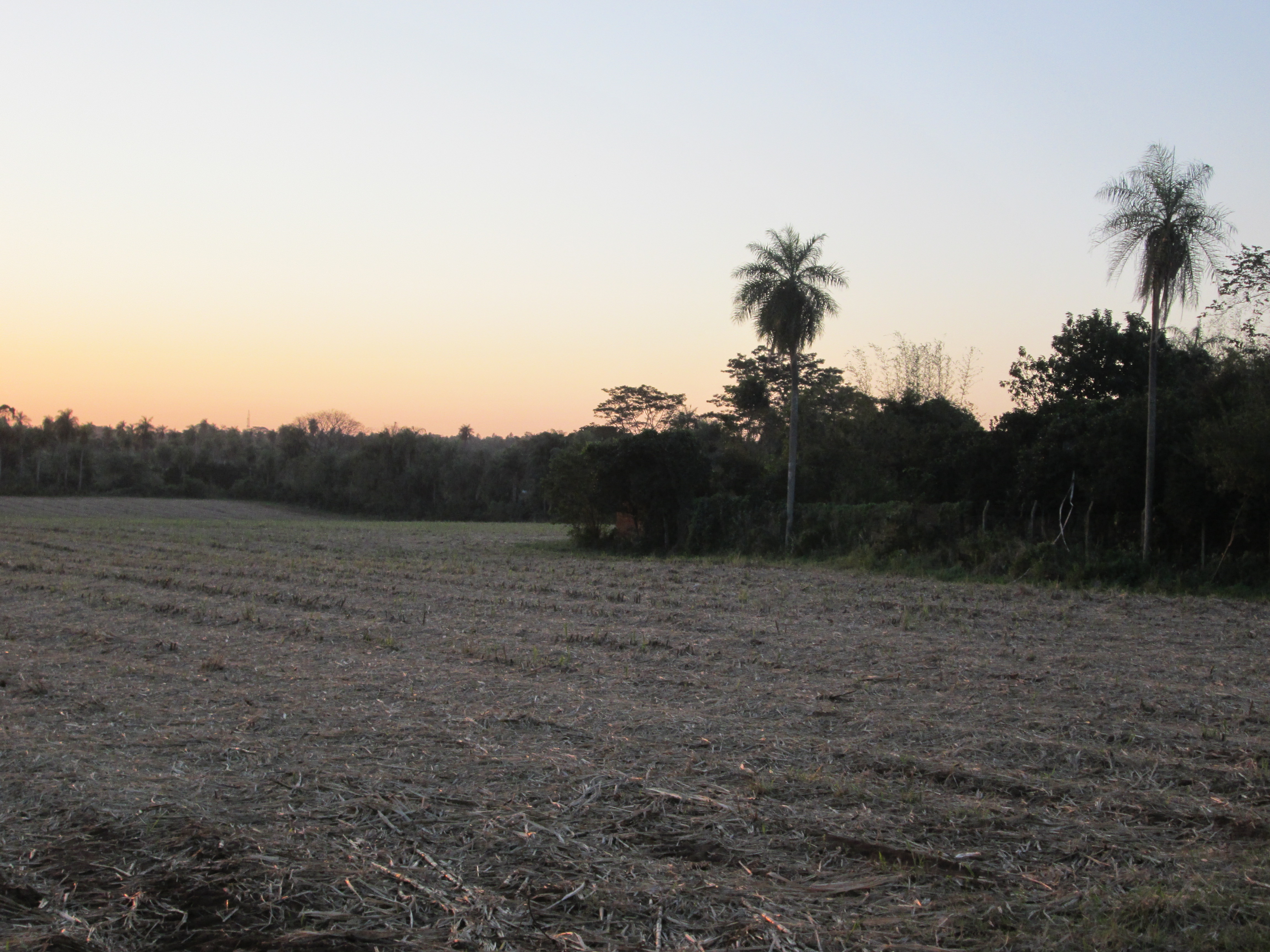
Sunset over a sugarcane fieldThere was a time when I’d scream when I saw a cockroach in my apartment and shakily dumped powdered soap on it because I was too freaked out to get close enough to crush it. That’s over. Now, I’ll even stomp on those buggers in my flip-flops—shiny backs, kinked legs, and oversized antennae aren’t going to save those creepers anymore.

I haven’t had to battle a tarantula yet, though I’m sure the opportunity will arise before I leave Paraguay, but the fears I once had are fading. I don’t mean to say I’m becoming fearless, that’s just irresponsible. What I mean is that my prospective is changing.

Things that were overwhelmingly important are less important, like clean floors, and things that weren’t important, like actively greeting everyone, are more important. Things that were petrifying have lost some of their adrenaline pumping abilities because, well, there are just more stressful things and more unknown things to pit myself against daily than there ever was before Paraguay.

No, Paraguay isn’t a scary mess. But, having to re-learn things and live in a different language and culture keeps you always on your toes. For sanity’s sake, I’m learning to not give things more credit than they’re due. The truth? I’d rather use my energy to get better at greeting people than being intimidated by bugs.

The Warm-up Is Over

Sunset on the way to play soccer.The honeymoon has ended. I’ve been in my site for 4 (plus) months now, which means a couple of things.

  1. I am comfortable in my site. I call my apartment home.
  2. The Peace Corps expects me to start doing projects and to report on them.
  3. My language is better than terrible.

All these things are pretty positive, so I thought that would mean August, and onward, would be great. Wrong. The newness of everything has worn off. My desire for a busy schedule and to be productive is competing with an inclination to stay in my house. Luckily, my señoras keep me honest because they ask me where I’ve been if I don’t visit them at least weekly.

I call it the slumps. I’m torn between being happy with what I’m doing and bummed about what I haven’t done. I’m teaching life skills and English classes. So, I have that going for me…which is nice. But, I haven’t studied Guaraní enough to speak it or understand it on a basic level. I still have 38 (of 50) families I have to interview for my community census—an important tool for setting a baseline of health conditions in my site and a required project. There’s more, but this is my blog not one of my to-do lists.

I’ve gained a huge appreciation for self-employed people and almost fondness (almost being the key word) for billable hours—only because setting your own schedule is an insane exercise in self control and sticking to that schedule is a task of self motivation worthy of a gold medal.

Despite the darkness, I can see the light. A weeklong training with the other volunteers in my group earlier this August; some long conversations with volunteers about their lives, projects, and dreams; Mountains Beyond Mountains by Tracy Kidder; lists of victories and goals; and the friendliness of people in my community are pushing me up the hill.


Self Doubt is Just Part of the Job

FieldIn the normal job or school setting you get frequent feedback that helps you know how you’re doing. In school you get grades, in work you get evaluations and raises. And, if you come from a corporate setting you also have profits to check your productivity. The Peace Corps is NOT a normal job.

I’m making up what I’m going to do and I’m deciding how I did. Somehow this removes the arbitrariness, which annoyed me when I got my college report card or talked to my previous bosses about how I was doing in my job, and replaces it with doubt. The real trick is that proof that what I’m doing is making a difference won’t come for years, years after I’ve left Paraguay. Why? Because I’m trying to give people knowledge and skills to improve or maintain their health.

In the prevention part of public health you spend a lot of time telling yourself what you’re doing is valuable. When I worked for a health communication firm, I would think my work was impactful if my client was happy even if there was no proof that what I did actually improved people’s health. But, in the Peace Corps there is no client who will tell me I’m doing a good job even if there are no results. Sure, my boss will tell me I’m guapa. By doing activities I’ll meet more families who invite me over for lunch.

The compliment and lunch invite don’t really tell me how I’m doing. Many questions remain. Is the child I played with today, read to, and taught subtraction going to be better off because I was here? What is better off anyway? Is it happy? Is it financially independent? Are any of the students learning something useful from my classes and charlas? What is useful anyway? Of course, the list of questions goes on.

I think most Peace Corps volunteers are here because we want to make the world a better place. I’m 6 months in Paraguay, and 4 in site, and I’ve come to realize I’m not going to know if I change the world when I swear out. And that makes me doubt that being here is worthwhile. Yet, despite this doubt I tell myself that it’s better to stay. Why?

The biggest Peace Corps project is you. Improving yourself and expanding your drive to keep looking for ways to help the world is reason enough to muddle through the hours of doubt. The long, silent nights and days actively being friendly to everyone change you. You think a lot. You doubt a lot. You dream a lot. You hope with every fiber that when all is said and done, you did your part to make the world a better place.

The Smiles of Children

Paraguay RiverIt’s the smiles and waves of the children in my community that remind me what I’m doing here is worthwhile. I’m still learning these kids’ names and I’ve been to their class maybe once, but they are already happy to see me. They yell “hello” across the street, wave and smile vigorously, and ask me when I’m coming back to the school. They may be little terrors when I’m actually in their classroom trying to teach, but their smiles give my work meaning.

It’s easy to wonder why I’m here. My work doesn’t have a clear product, or a clear direction for that matter. It’s not like I have sales that I can track to measure my success. I’m dabbling in diplomacy and public health—terms that don’t even have a clear definition. And to tell you the truth, up until recently I haven’t even been doing those things…I’ve been setting up to do those things.

The first 3 months in site—yep, I’ve been in my site 3 months already—are supposed to be about building relationships. For me, building relationships included going on walks, hanging out at the health post, visiting houses in my community, baking at the bakery, and helping my site mate teach in the school. I watched a lot of soccer. I’ve helped some people study English. I helped a child with his math and Spanish homework.

I tell myself time and time again that sitting for hours, drinking terere or watching the soccer game, is actually part of my job. Peace Corps service is like building a house—you need a good foundation before you can build the walls and roof. But, I’m the one building and evaluating the foundation. I guess I’ll know how I did somewhere down the road when my projects start falling into place. I start teaching at the school regularly at the end of July. I can’t wait to have a “set” schedule.

6 Unexpected Outcomes of Paraguay

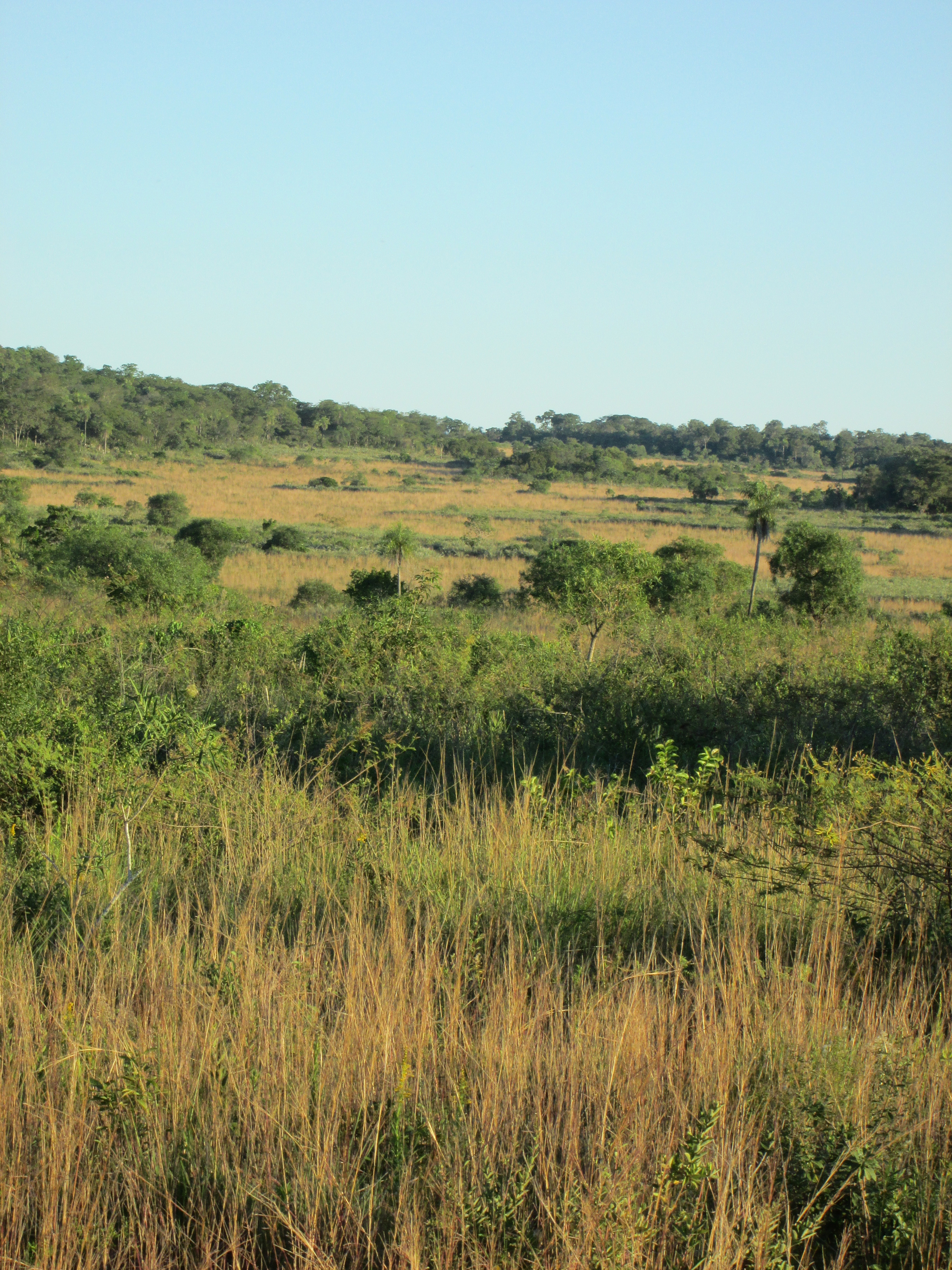
  1. Paraguayan house, back viewMy best friends in site are all 2-3 times my age. The señoras are simply awesome.
  2. I go to Bible study. Sometimes you got to do things you’re not comfortable doing to integrate. And, with the stress I feel just living in Paraguay, it’s nice to have an hour to just reflect and be calm.
  3. I think babies are cute. I’ve never been a baby person. Here there are babies everywhere. And the babies are pretty darn cute.
  4. I’ve eaten tripe and other organ parts of animals. I just tell myself not to think about it.
  5. I drink coffee. Coffee is a common breakfast food, yep food.
  6. I pray for rain. Nothing happens in the rain, so it’s nice to have a justification to take time to recharge.

A Dance Party and Some Inspiration

This past weekend I attended my first Ahendu—a Peace Corps Paraguay volunteer talent show and dance party that happens about every 4 months, whenever one group of volunteers swears out. The majority of the some 250 volunteers in Paraguay attended. This year the theme was Great Gatsby.

On a basic level the party brings out the crazy side of volunteers, as you might imagine after each of us has been pent-up and on our best professional behavior in our work communities for months. In-site, as we call our work communities, we are on 24/7 and everyone notices everything. Ahendu also highlights the talented musicians amongst us. But, for me, the party was more than just a time to dance like crazy.

It was a time to meet and to get to know many of the other volunteers in Paraguay. We are all so different, but we have something in common because we all decided to join the Peace Corps and are surviving in Paraguay. We have similar struggles—such as navigating a world without things we took for granted before like hot water, heated houses, and Internet.  And we have unique struggles—such as finding work or avoiding local sexual harassment.

We laughed a lot—at all the ridiculous situations we have found ourselves in since coming to Paraguay. The volunteers preparing to leave were sentimental but ready to go.

As a new volunteer I felt refreshed and inspired when Ahendu was over (and I’d finally caught up on sleep). Why? Despite the party atmosphere what struck me is the great projects on which all the volunteers are working. It was cool to see volunteers who can speak Guaraní and are as guapa as I will be.Yeah, sometimes we party hard, but in the end we’re all here because we hope to save the world in our own small way.

Blend or Take a Stand?

Look at the sky!Assimilation is the name of game for the Peace Corps volunteer. That means absorb and integrate, become part of your host community’s culture. But, assimilation is a balance between integrating and staying true to your being.  It’s more of a give and take than a transformation. Here are some things I’ve changed and some things I fight to keep in my life as I adapt to Paraguay.

Things I’ve changed:

  • Ugh, I won’t wear sunglasses. My eyes are very sensitive to light, but people here don’t wear sunglasses and they think it’s standoffish if you do. I stopped wearing them (though I’ll probably get wrinkles from squinting and the sun gives me headaches).
  • You’re right, let me minimize my time mingling with men. Interactions between the sexes are just too complicated and sexually charged in almost every setting but professional ones. It’s easier to just chill with kids and woman.
  • Fine, I’ll drink coffee…and eat bread and meat all the time. I wasn’t a big fan of any of those things in the states but they’re staples here.
  • You know, sitting doing nothing for hours isn’t so terrible. I was one of those people who always had to be doing something. But, in Paraguay, sitting together is a huge social activity. It’s kind of the core of everything and, now that I’m used to it, I kinda like it.
  • Yeah, waiting is just part of life. Just plan for double or triple the time you think it should take when preparing to do something. Then, you’ll be pleasantly surprised if it happens faster.
  • Okay, I can eat faster. I don’t know how Paraguayans do it, but they are rapid-fire eaters.

Things I’ve kept:

  • No, I’m not here to look for a boyfriend. Questions about my love life and cat calling are part of life here. But, that doesn’t mean I have to embrace them.
  • Sorry, I can’t say I like listening to the same genera of music all day, everyday. Paraguayans LOVE their music, which is nice but it’s either cumbia or polka…which I only enjoy in SMALL doses.
  • Correct, I believe as a woman I have the same freedoms as men. I’m never going to believe things like: “when women are menstruating they shouldn’t shower” or “we aren’t made to do certain jobs”. Sure, I can’t pee standing up and that’s annoying, but I’m not delicate.
  • Yep, I do stuff by myself all the time. Just because I’m in my room or walking alone doesn’t mean something is wrong. I just enjoy alone time and being independent sometimes.
  • Nope, I’ll just take the bus or walk. It’s a Peace Corps rule that I can’t ride motorcycles and dirt bikes. Yeah, it’s an annoying rule on the surface, but I’ve also seen how people drive motorcycles in Paraguay and I’ve read the stats. I don’t want to die.
  • Well, I’m just going to tell it how it is. Communication in Paraguay is indirect (people usually don’t say exactly what they mean). But, I’m going to be blunt. Yes, I will do everything in my power to be polite, but I’ve worked my entire life to avoid beating around the bush.

Chisme (aka Gossip)

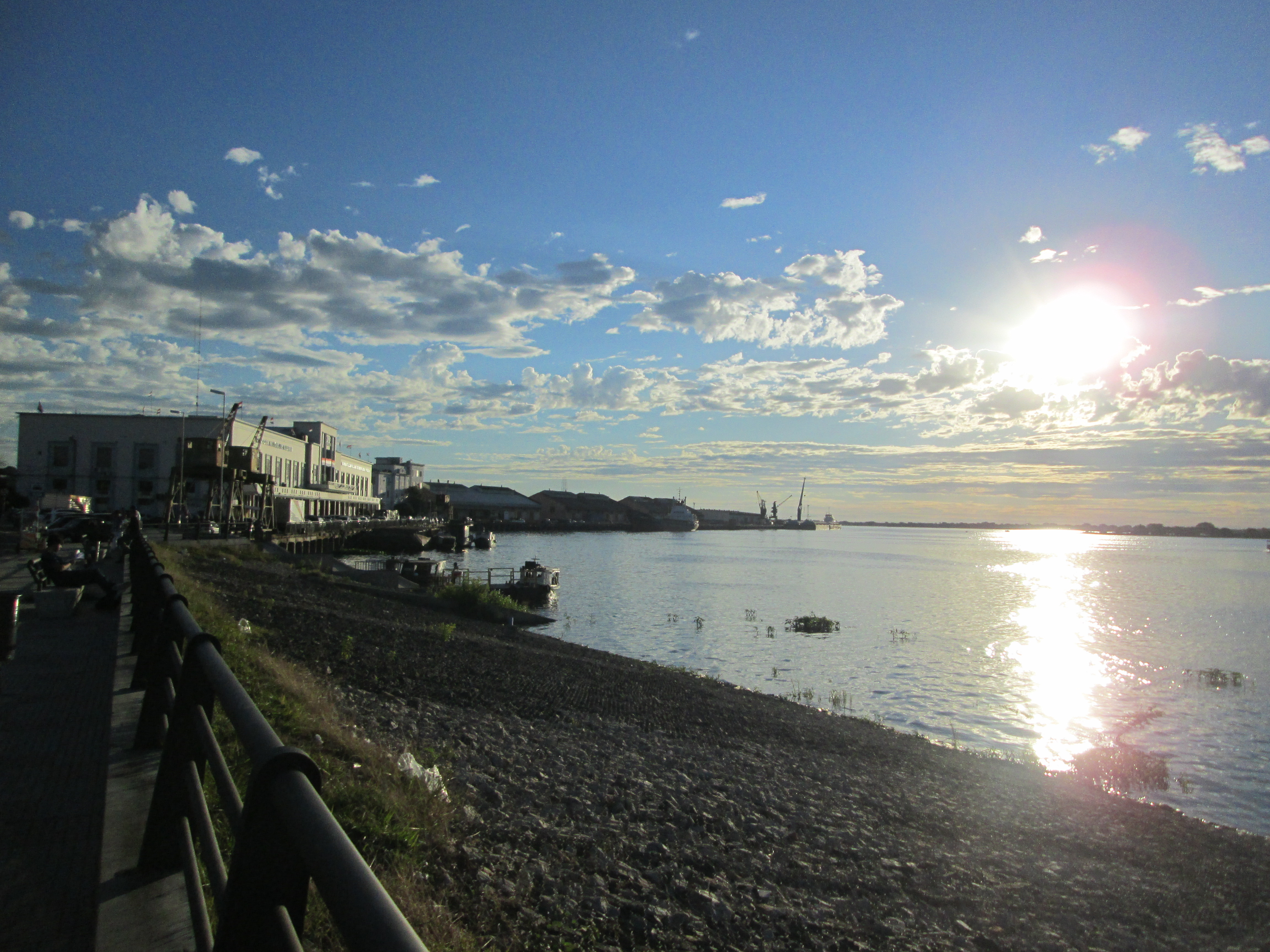
Río ParaguayIf you’re from a small town or went to high school you’re already familiar with the idea of gossip, called “chisme” in Spanish.  Gossip is when people talk about what other people are doing, sometimes what they say is true and sometimes it is false, but they usually pass judgment. Here in Paraguay, well, at least in rural Paraguay, gossip is very important. In fact, it’s so important that Peace Corps has several sessions related to dealing with gossip during our training.

The brutal truth is life in a small town or rural Paraguay is pretty slow. Yep, the highlights are celebrations of saints, birthday parties, and soccer games. Many Paraguayans prefer to stay home and spend time with their families to going out. This leaves a lot of time to talk about what people are doing but not a lot being done about which to talk.

Anything that falls under the popular topics of sex, fights, and money is likely to catch people’s interest. The fun thing about it is even if you aren’t doing anything, someone might see something that makes them think you are doing something, and lo and behold you have a completely fictitious story about you flying around town.

Gossips will be gossips, so who cares? Well, the challenge isn’t really the gossip itself, but the fact that people often use gossip to form their opinions of others. It’s the judgmental side of gossip that’s particularly interesting when you are a Peace Corps volunteer.

As one of the only, if not the only, foreigner in your community you are stranger than your average person. Gossip about you is unavoidable. The trick, however, is preventing gossip that will harm your reputation or people’s respect for you. Because you don’t have history or family in your community, so reputation and respect is all you got.