Big City vs. Countryside

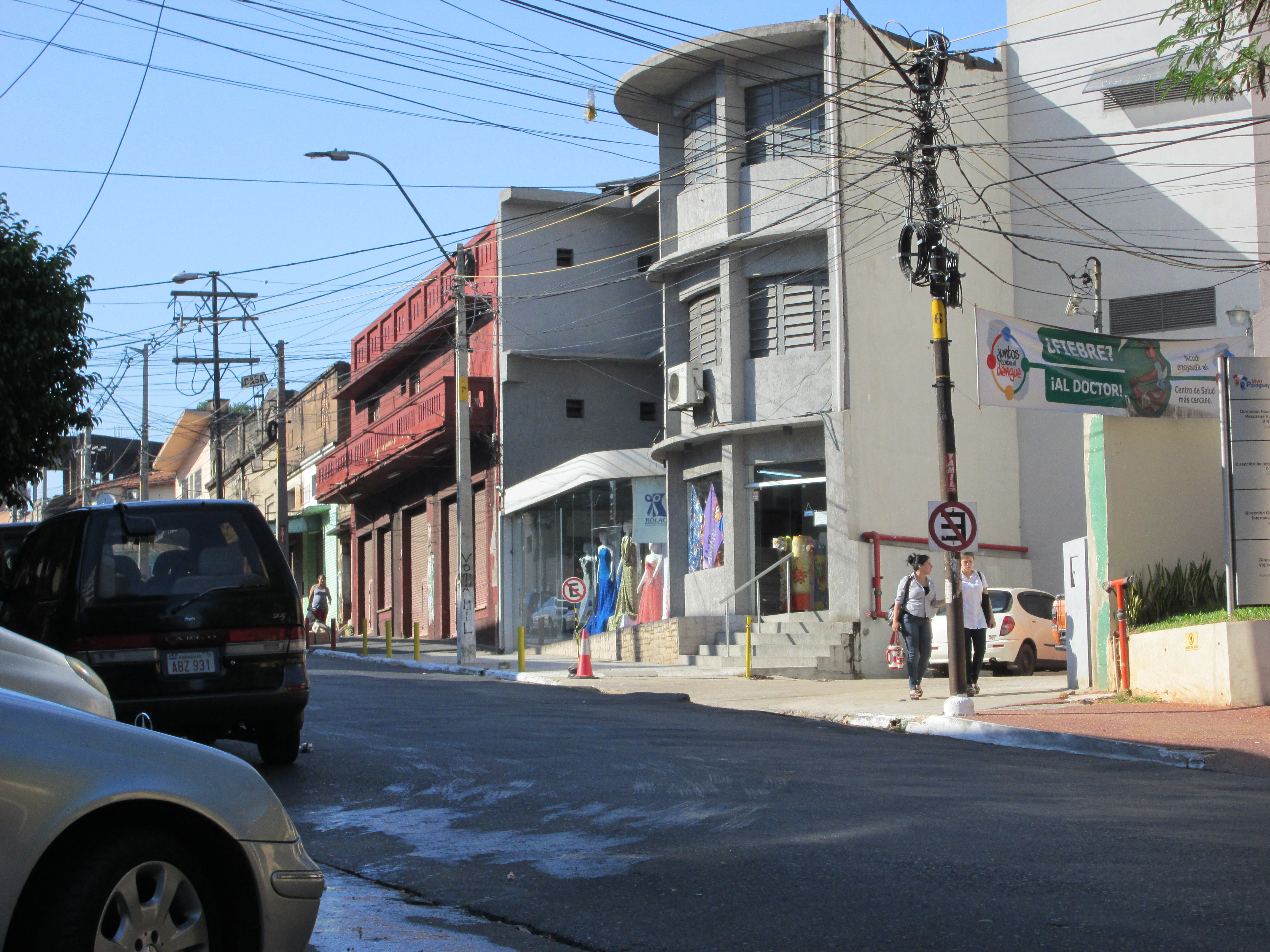
The Big CityComing from Vermont we always joke that we are years behind New York City. I mean, my parents still don’t have cell service at their homes and only got rid of dial-up within the past 5 years…and pop culture doesn’t get to Vermont any faster. The difference between the rural US and the urban US is dramatic. Now, times the city-country contrast in the US by 10 and you’ll get closer to the disparity between big Paraguayan cities (mainly Asunción and Encarnación) and the rest of Paraguay. Most of Paraguay is rural, ranging from rural with running water and electricity to rural with nothing.

In the many rural parts of Paraguay there are roads that can’t be crossed when it rains. Cows roam free. There’s bad cell service, no Internet, electricity that goes out, and water pulled from wells with buckets. It can be hard to find groceries because there are just little house-front stores with the basics: sugar, salt, and flour.

In Asunción, as least when it’s not flooding because of a downpour and no drainage—there are high-end clothing stores and sit-in restaurants with waiters and WiFi. There are coffee shops, ice cream parlors, movie theaters, and international businesses. You’d be surprised how many people in Asunción speak English, but don’t know Guaraní.

In Paraguay, the city and the countryside are like to different worlds. Sometimes, it’s hard to believe they are part of the same country.
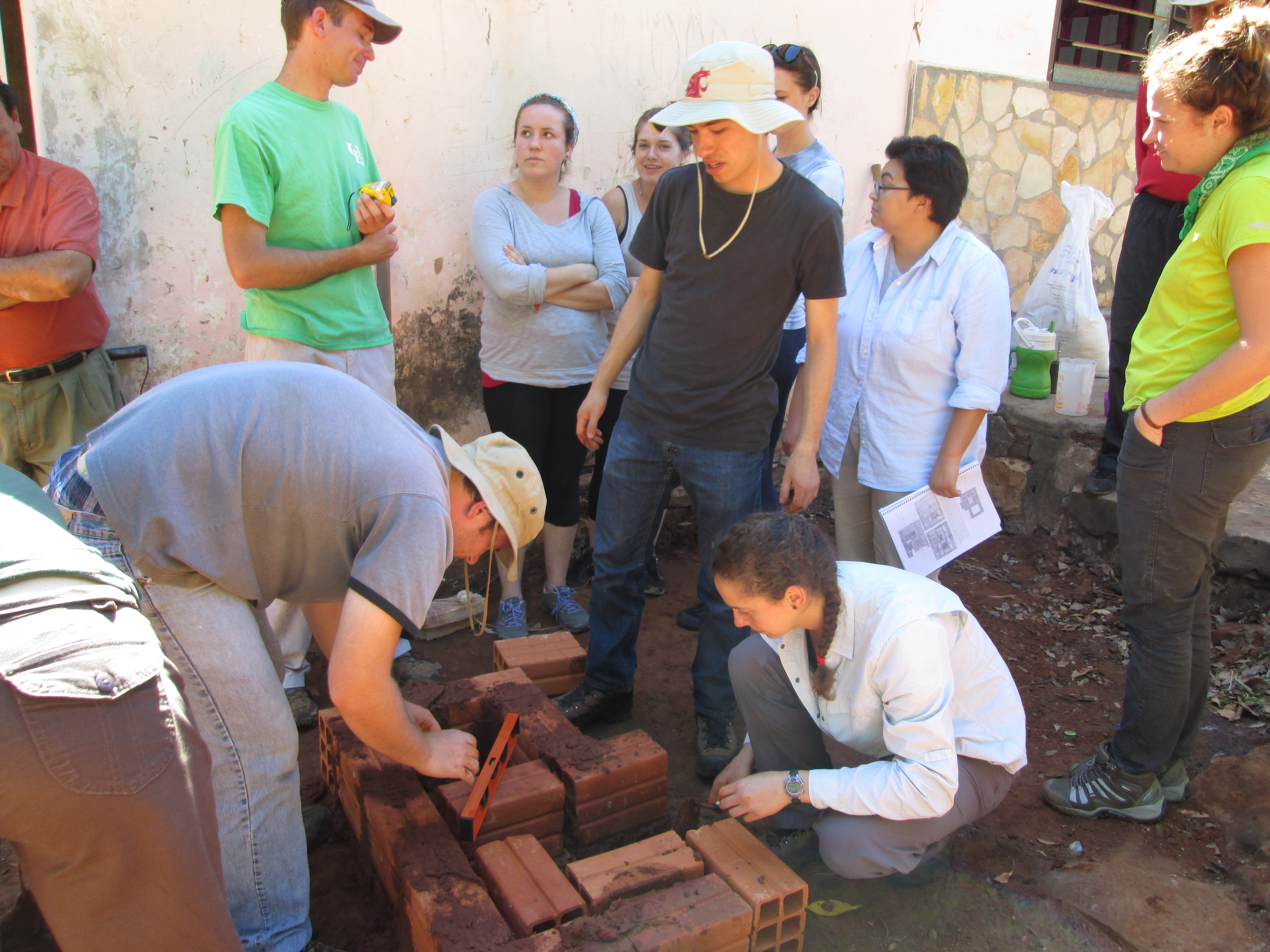
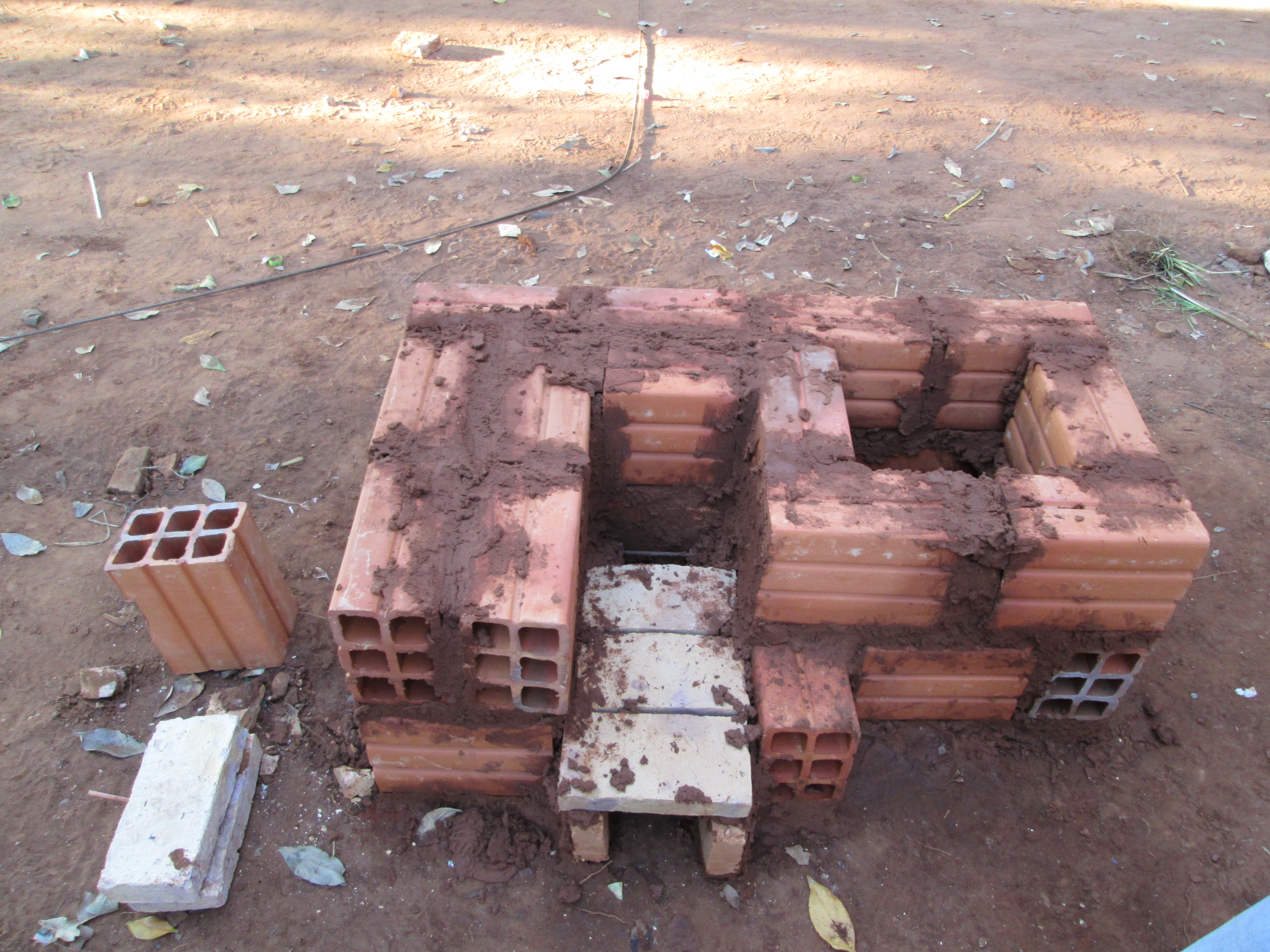
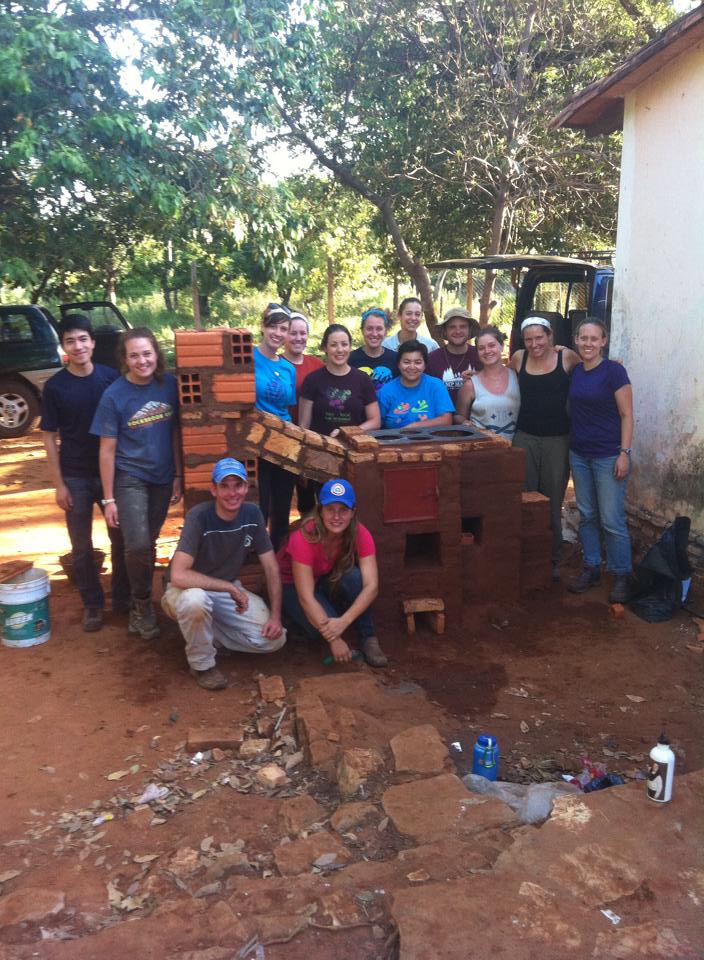
We Built a Fogone

A fogone is a wood-burning cook stove. It is made out of brinks and mud/cement.

In rural areas of Paraguay some families still cook all their meals over open fires. Oftentimes these fires are under a roof or inside the house. While cooking over an open fire is just fine while you are camping, it can negatively impact health if used for all meals throughout a lifetime.

Negative effects of open-fire cooking as a part of daily life:

  • Back problems caused by having to bend over to cook
  • Increased risk of upper respiratory infections due to breathing smoke
  • Burns, a bigger risk for children playing by fires

A fogone offers an economical solution for families that use wood to cook. Gas is expensive and many traditional Paraguayan foods require a lot of time to cook. Wood is generally inexpensive and can be an environmentally friendly, sustainable option if the wood is harvested correctly.

Building the first couple layers of the fogone.

Building the first couple layers of the fogone.

First two layers of the fogone.

First two layers of the fogone.

Backside of the fogone.

Backside of the fogone.

Frontside of the fogone.

Frontside of the fogone.

Checking out the done fogone - photo courtesy of Kelsey Levering

Checking out the done fogone – photo courtesy of Kelsey Levering

The fogone is done! - photo courtesy of Kelsey Levering

The fogone is done! – photo courtesy of Kelsey Levering


Open Hearts, Heat, and Carbs

Open Hearts 

We fit in the bus!

We fit in the bus!

The people of Paraguay are what make the country wonderful.

For training (about 10 weeks) I’m living with a host family of seven – a father, a mother, two sisters around my age, one sister and one brother about 10 years younger than me, and a much younger sister.

I feel like a long-lost cousin—one that wasn’t born in Paraguay but has always been part of the family. My family makes me feel welcome and included even though I don’t know Guaraní (Spanish has been a great bridge) and I know few of the social norms of Paraguay.

In Paraguay you say “hi” to people when you walk by and it’s not strange to look at people as you pass them. It’s the small town of New England without the icy edge of New Englanders. News travels fast and everyone has countless cousins. The most practiced pastime is sitting with family and friends while chatting and drinking tereré.

It’s Hot

A classroom

A classroom

Paraguay is hot. It’s the kind of hot where doing nothing but sitting and drinking tereré for hours makes a whole lot of sense. It’s the kind of hot where you don’t want to sit on plastic lawn chairs. It’s the kind of hot that a fan can barely tamper. It’s the kind of hot that makes you understand why the Paraguayans are described as tranquilos (calm)—because it’s just to darn hot to be anything else.

Carbs, Meat, and Fat

In the US we blame a (large) portion of our battle with non-communicable diseases, like diabetes and obesity, on processed food. And, while the Paraguayans I’ve met don’t eat many processed foods, I can’t say the average diet here is much healthier – enter the carbohydrates, meat, and fat. Most of the traditional foods in Paraguay are heavy in carbs (especially corn and mandioca) and involve frying or fat is some other way…and red meat. And, much like processed food they are quite delicious (“rico” in Spanish).

One of my trainers did a good job of putting the diet into prespective. The trainer mentioned that many of the foods served Paraguayans well when they were working long, hard days in the fields. But, now that life has changed and things are easier the calories aren’t needed anymore. Things, like food, that have a deep cultural connection evolve a lot slower than society moves into modernity.

Some traditional foods

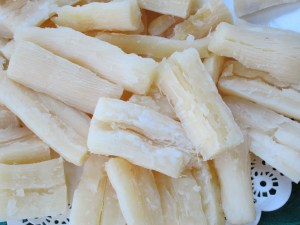
Mandioca – boiled

Mandioca


Sopa Paraguaya – a type of corn bread with cheese

Sopa Paraguaya


Tortillas Paraguayas – fried flour, eggs, milk, salt, and veggies

Tortillas Paraguayas