Narrow paths, dirt outside and shiny tile inside, are tapered further by the crowd. Clothes line the paths – sweaters, sweatshirts, jackets, pants, leggings, socks, underwear, and hats – bright white and vibrant colors and crisp new shoes. Each stall with a different mix of things neatly organized in folded stacks. Salesmen and women invite you to ask about the prices. Suddenly the clothes fade away and its heaps of red tomatoes, oranges, and onions. Herbs green and brown are laid out and tied in bundles with palm leaves.
The sales women yell to each other across their mountains and hills of produce, sipping terere and jeering at the young men straining to push their wooden wheelbarrow-carts up the inclined walkway and between shoppers. The carts are stacked high with bursting plastic, burlap bags.
Kittens, scrawny and ownerless, gallop around the crates and between feet—gray, striped, orange, and black. Their fizzy ears and whiskers make them cuter than rats.
I look to the right and see hunks of meat and stacks of fish—the smell of flesh clashes with the earthy aroma of the vegetables next to me. I hurry on. I walked in a meat section once. The sent of death was thick, and I promised myself I wouldn’t go back there.
A basket made of chicken wire holds live chicks, chipping and jostling each other, and rabbits with their noses twitching.
I dart between to stalls to pass from the outside part of the market to the warehouse part of the market. I go up the stairs to find a bench. I sit on a bench in the middle of the room and look around at the racks of shoes around me…shoes in every direction: snazzy sneakers and sexy heals, clunky work boots and shiny men’s dress shoes.
I go back down into the fray and ask the smoothie-empanada lady where I can find a guitar. I cross the street—dashing through a just-big-enough-gap between the buses, cars, and motorcycles that roar and hum on the muddy street. I find myself in a new mix: Stands stacked high with shiny new cellphones. People ask if I’m looking to sell my phone. I hurry on. There are stereos and TVs. And there is kitchenware. Finally, I find the guitar store.
The last and final mission—find a bus home. I catch the bus on the corner-ish, hailing it like you do a taxi in the United States. I climb on. Luckily there is a seat. I sit with my new purchases piled on top of me.
I didn’t realize how big the market was. It stretches for blocks—crossing streets and alleys. The stores and stalls weave in and out of buildings. You get stuck going in circles. They tell me you can get just about anything there, and the prices can be cheaper than the mall, but to find a product you must navigate a labyrinth. (At least I have two years to master the whole thing.)
I made it! I finished my first solo mission to Asunción’s Mercado 4. I’m proud of myself, but there isn’t time to relax on the bus. Clanking and coughing my bus sputters down the cobbled streets of the city—there is too much to see and the air is spoiled by diesel smog. School children get on the bus, their uniform sweat pants and polos in some shade of gray or blue. Candy, cookie, and fruit venders hop on and off the bus holding their wares for all to see—their sales pitches are more like songs in rhythm and tonality than spoken word.
The little streets with the stacked and crunched houses wiz-by, and I just glimpse them through the dust-encrusted bus window. I am not inclined to call Asunción pretty; it isn’t. But it’s a city where you feel like things are happening and progress is pushing forward—to what end and to where is unclear, but Asunción in a word would be “movement.”
 I didn’t bring winter clothes to Paraguay. It was partly a, “I want to pack light” thing and partly a, “it’s a sub-tropical country so it doesn’t get cold, right?” thing. Well, I learned my lesson. It gets bone-breaking cold in Paraguay…starting at 60 degrees Fahrenheit.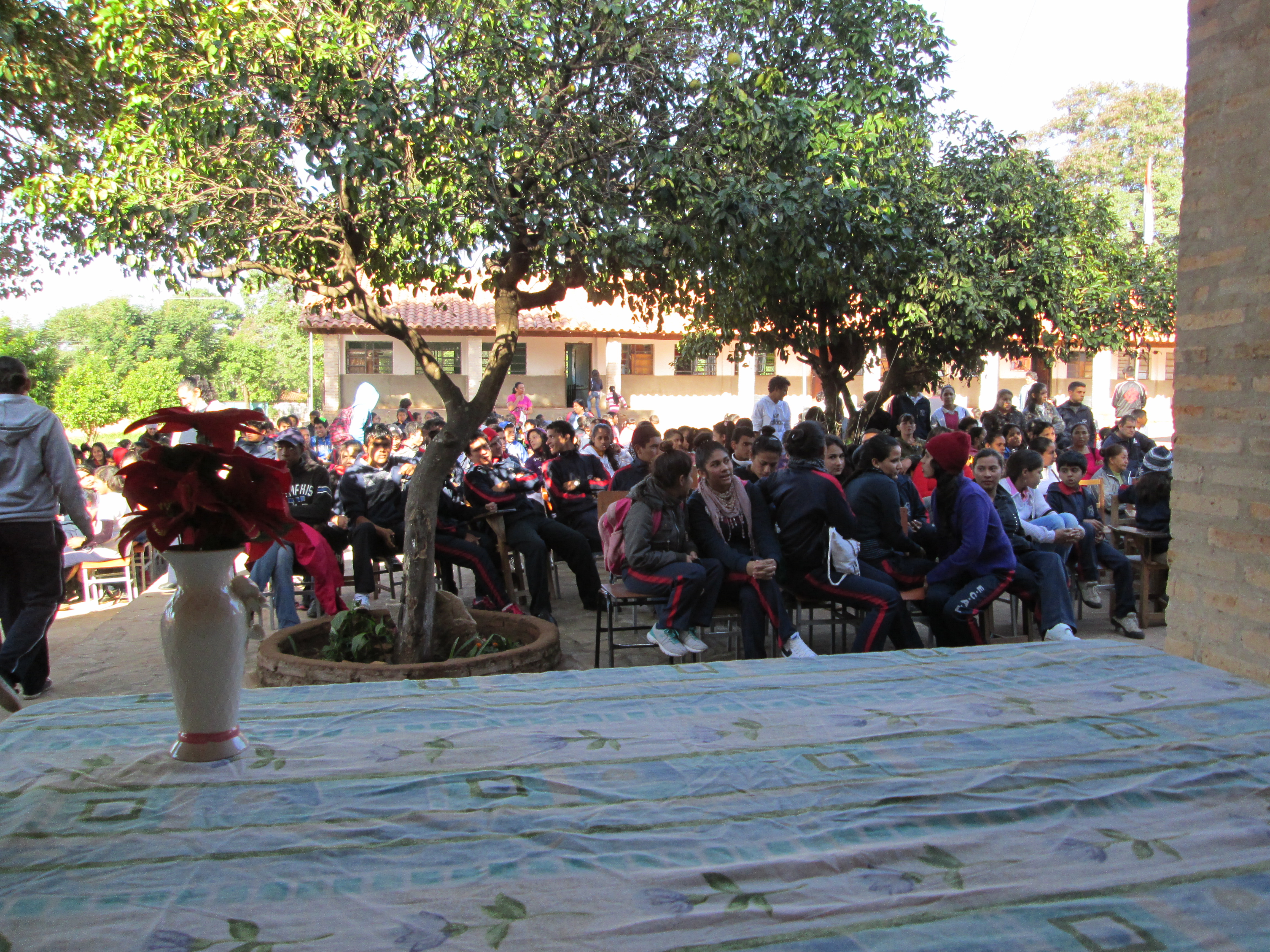


 Connecting the Dots