 This past week I went on a second site visit. This time I traveled with 4 other trainees and 1 language teacher. We spent 3 nights in the community of a current volunteer. We had language classes at the volunteer’s house and helped the volunteer with projects like giving health presentations and making dish soap.
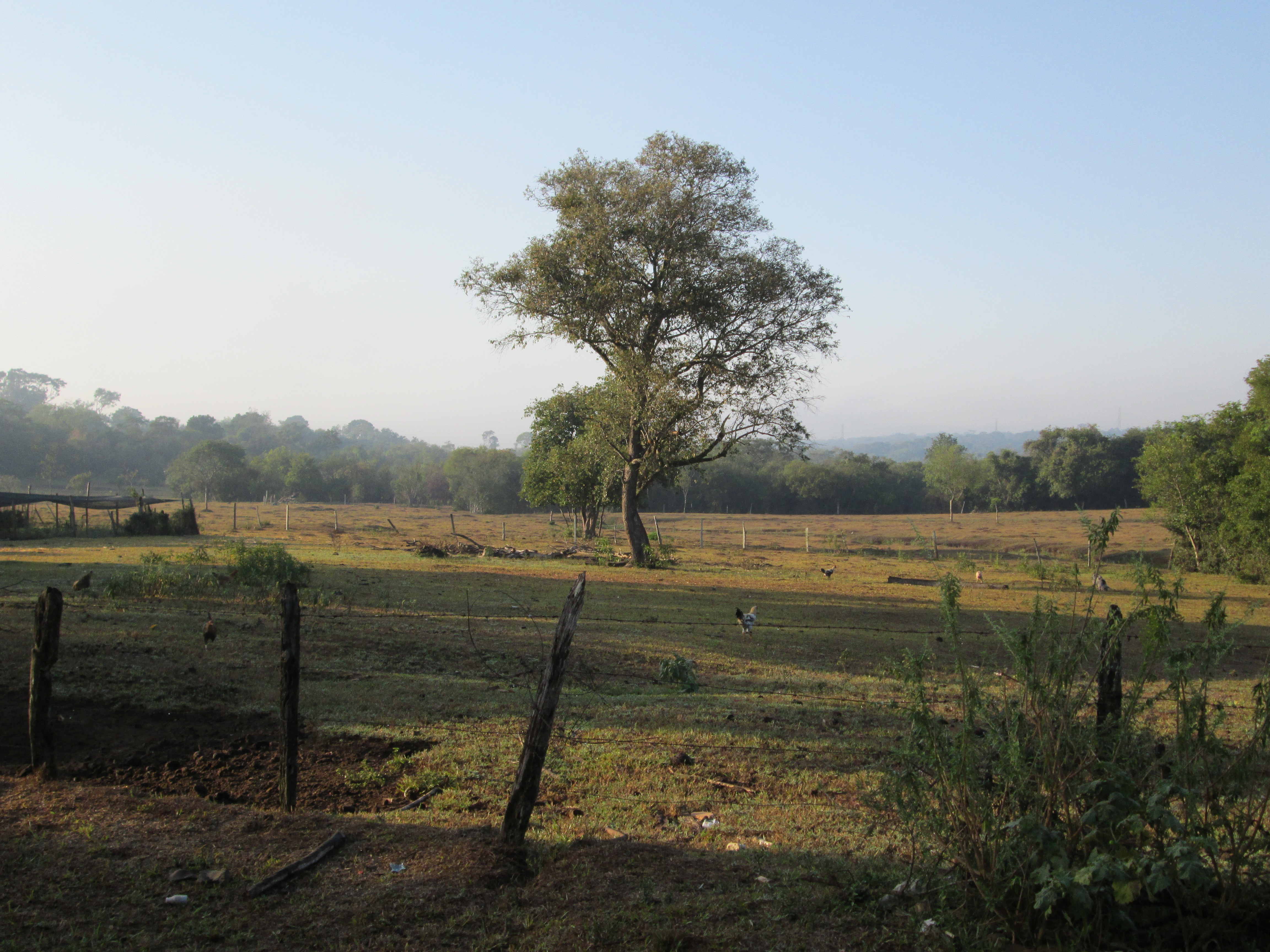
I stayed with a host family on a humble farm with a wonderful view. The fields lightly peppered with trees, tall golden-white grass, and cows reminded me of my childhood—rural Vermont. The corrugated-ruffed space that served as a dirt-floored dining room/living room looked just right with its hanging baskets of plants, rough-wooden chairs, and flower-patterned clothed table. Somehow the attentive audience of cats and dogs who sang songs around my feet while I ate was charming. I found myself amused and pleased by the pigs that wondered in-and-out of the living space, grunting and squeaking as they waddled. The pigs were funniest when the mother of the family locked them in a shed just next to the dining table so they wouldn’t bother her while she cooked. The pigs pushed their snouts out of a hole in the bottom of the door and gave a squealing protest.
I started my days early with a sunrise run with my host volunteer. Nothing quite lifts my spirits like a good morning run,. Next came my shower and coffee breakfast. I’m not usually a coffee drinker, so even the mostly milk brew was quite a kick-starter.
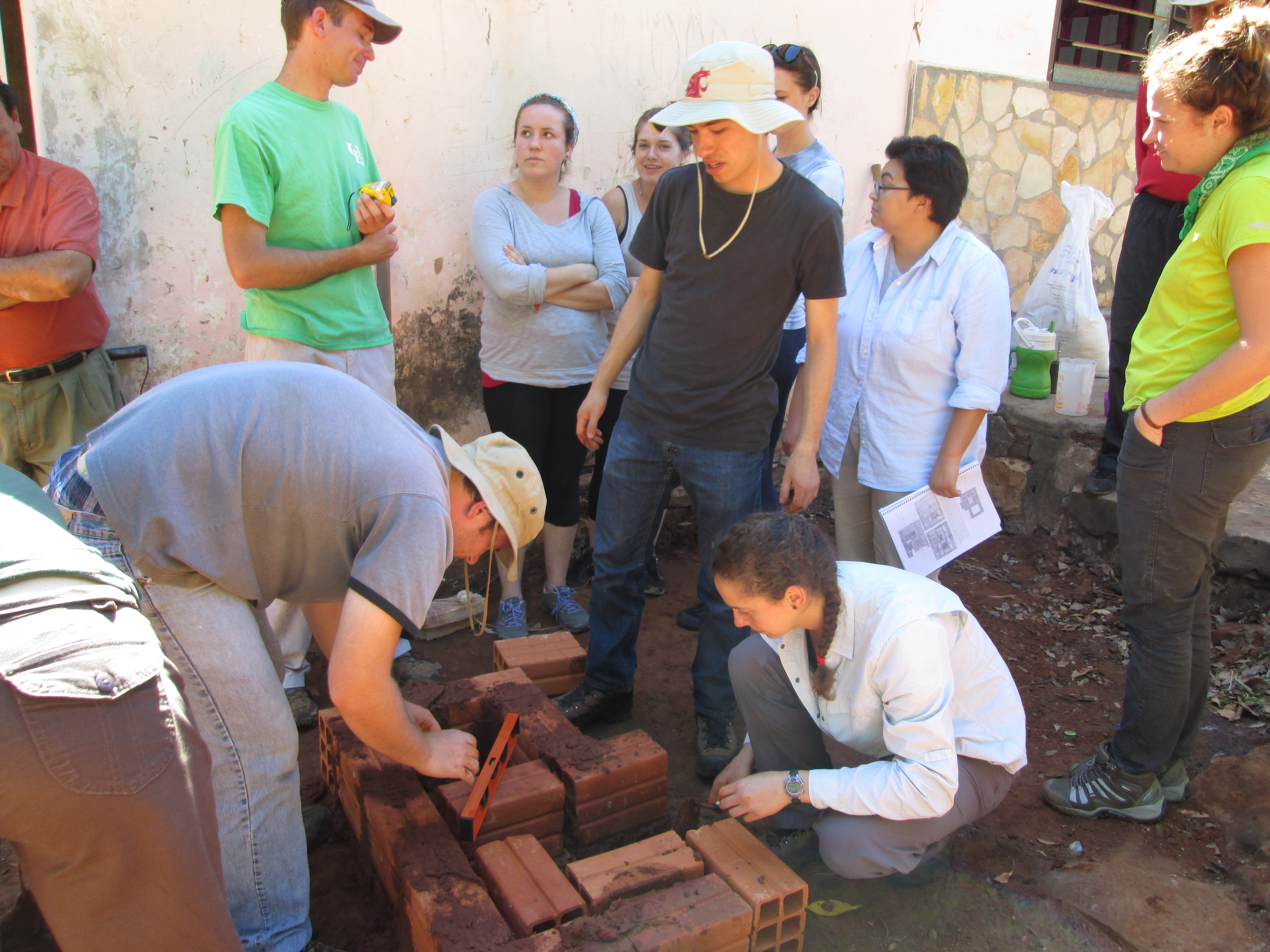
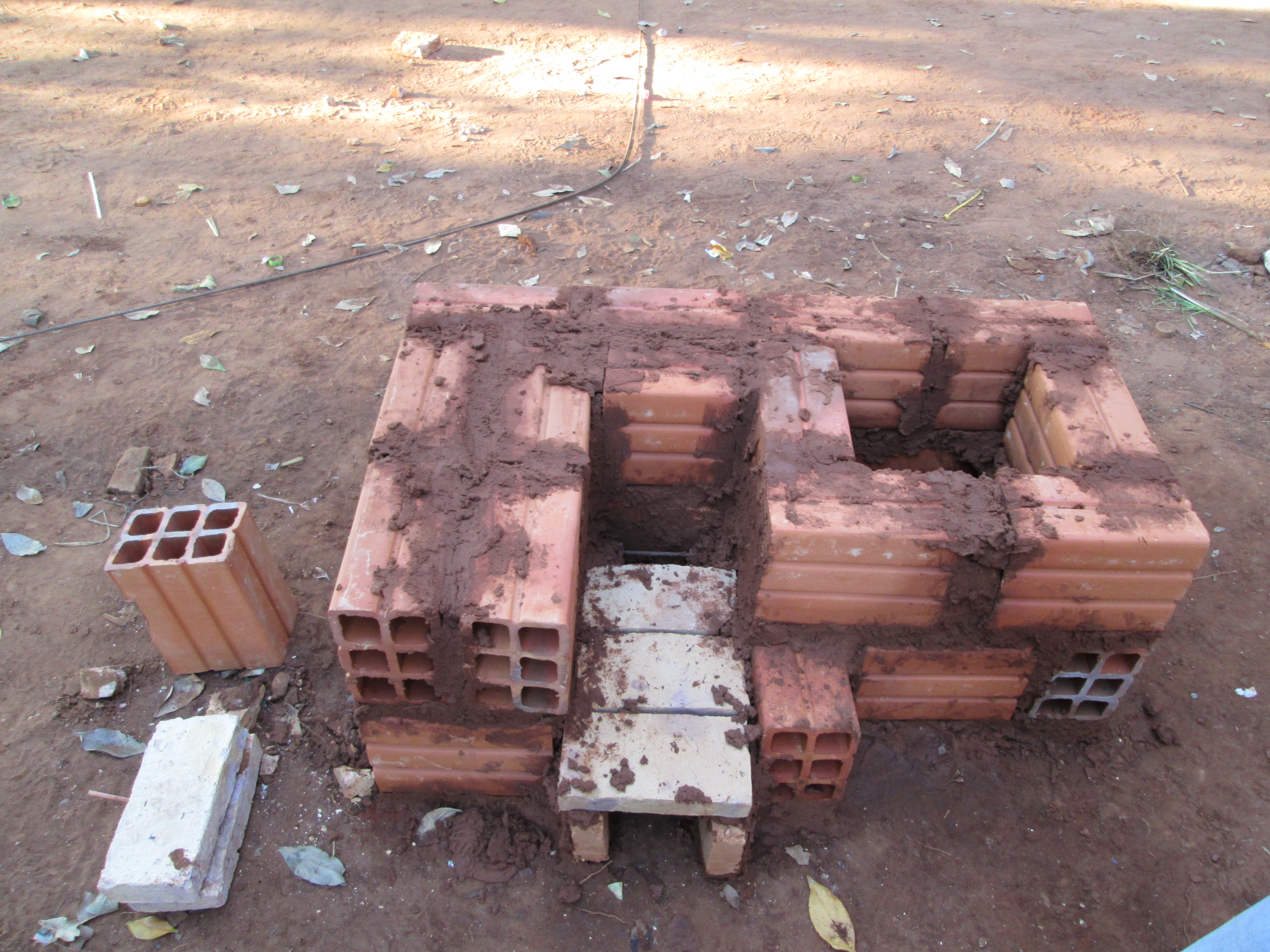
Running water in Paraguay—showers, sinks, and toilets—are different than in the US. The simplest of shower spaces has a concrete floor with a drain with nothing separating the shower space from the toilet space. The walls of the bathroom are made of mud bricks and put together with a clay-cement-dirt mix. The showerhead is plastic and round, maybe 8 inches in diameter. There is a switch along the edge of the showerhead were you can select cold or warm water. The toilet has a string to flush it that is attached to a tank mounted on the wall about 5 feet above the floor. The sink faucets in the bathroom (and kitchen) are frequently plastic.
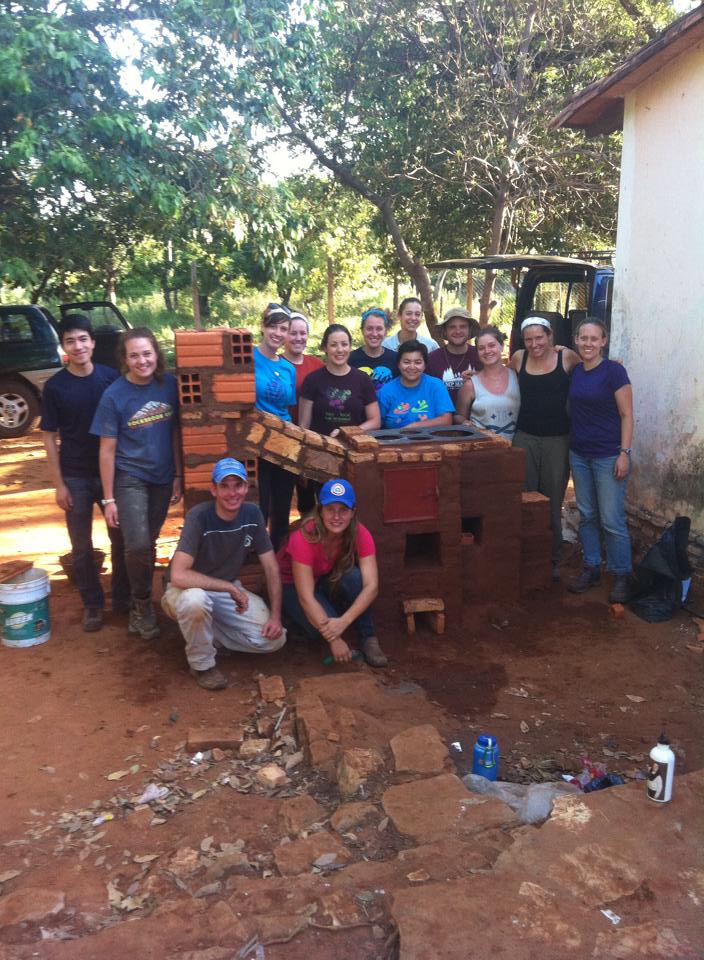
In the morning, at the volunteer’s home, I had Guarani class. The afternoon was filled with laugher, health presentations in the 30-student community school, and chatting in a mix of English, Spanish, and Guarani: They say that volunteers leave Paraguay speaking 3 languages poorly. My group gave a dental hygiene presentation to community parents a day early because plans changed at the last minute and we redesigned our recycling presentation for kids halfway through because the activity we planned wasn’t working for the students. We made bubblegum colored dish soap and tried double digging the volunteer’s garden. I say “try” because the site I visited hasn’t seen rain for about 3 months and the soil was like a firmly packed, dirt road on a crisp Vermont-autumn day—pretty dang hard.
I have almost 2 weeks before I learn where my site will be. Nothing has helped me feel as ready as the volunteer site visits. I’ve gotten to practice my language skills with community members and to see what life, as a volunteer, is really like. I spent my first site visit learning what it means to be a volunteer and confirming that the Peace Corps is right for me. This second visit, to a different site, I spent learning how I can be a volunteer once I get to my site. It’s hard to explain how helpful it’s been to have my host volunteers answer the waterfall of questions I’ve had, share their stories and insights, and show me that being a volunteer is real, not just an amazing dream.



 Connecting the Dots