The Journey to My Site: Top 10 Thoughts

Peace Corps training ended in a hot second. Well, it was actually raining and not too hot. IMG_0310
After taking the oath, the other new volunteers and I only had an evening and morning to say goodbye, not only to our first host families and training staff, but also to each other. The morning after swear-in, Peace Corps drove us to various bus pick-up points so we could travel to our sites. We aren’t supposed to leave our sites for the next 3 months. It’s a dramatic change, especially after having so much time in training to chat with each other about our daily challenges.

When I arrived at my site I was numb. I’d stayed up late the night before wishing other volunteers in my group good luck. I’d also gotten up early to say goodbye to my family before they left for school and work. My new host family kept asking questions—about how I was, about my trip—it was so sweet of them to care, but I wasn’t ready to think of answers. I said I was tired, that wasn’t really the case, I didn’t know what I was.

Recall how you felt the day you finished high school, the day you moved to college, the day after you got your college diploma, and the first day of your first job after college, combined all those feelings, that is what it felt like to finally move to my site.

Top 10 thoughts while traveling to my site:

  1. How on earth am I going to bring all my stuff to my site using a commuter bus? Considering that I’m living here 2 years I don’t have much stuff, but I can still hardly lift my large suitcase.
  2. When will I see the volunteers from my group again? How often will I see them? During training I saw them daily (and that was comforting).
  3. Am I ready for whatever is waiting for me at my site? I hear I’ll have down times, up times, slow times, busy times, fun times, sad times…that’s a lot of times.
  4. Am I going to accomplish anything? Will I learn the language and get to know the community? Will people work with me? Will I be creative and come up with good projects to help people improve their health?
  5. No really, what are the next 2 years going to look like? They say every volunteer’s experience is unique, so what’s mine going to look like?
  6. Am I going to get sick? I don’t want a parasite or dengue. Actually, I don’t even want to have a cold while in Paraguay.
  7. How are the rent and other money conversations going to go? Paraguayans tend to be comfortable talking money, however I feel trepidatious.
  8. What am I not anticipating that’s going to be a challenge? Sometimes the unknown is the most stressful.
  9. Am I going to make friends in my site? Two years is a long time, in-site friends would make life more enjoyable.
  10. Who will I be 3 months from now? A year from now? Two years from now? I already feel like I’m a different person than the one who left the US (and that was just 10-ish weeks ago).

Taking the Oath

taking the oathTen weeks and a billion new emotions later, I’m officially a sworn-in Peace Corps volunteer. Time flies when you are having fun, or maybe it’s when you are working hard.

The swear-in ceremony was simple and sweet. Peace Corps staff offered advice; representatives from my group gave pump-up speeches with inside jokes; our host government shared some touching words; and the US ambassador, well, had good things to say but his Spanish wasn’t very good.

We took a lot of pictures. It was overwhelming. As exciting as the oath was, many goodbyes and new things lurked and would inevitably follow. Peace Corps has changed my understanding of excitement. In the Peace Corps excitement and being petrified are inseparable. The two emotions together are a concise summary of my first months in Paraguay.

The oath is as follows:

“I, [name], do solemnly swear (or affirm) that I will support and defend the Constitution of the United States against all enemies, foreign and domestic; that I will bear true faith and allegiance to the same; that I take this obligation freely, without any mental reservation or purpose of evasion; and that I will well and faithfully discharge the duties of the office on which I am about to enter. So help me God.”


The Great Reveal: My Site

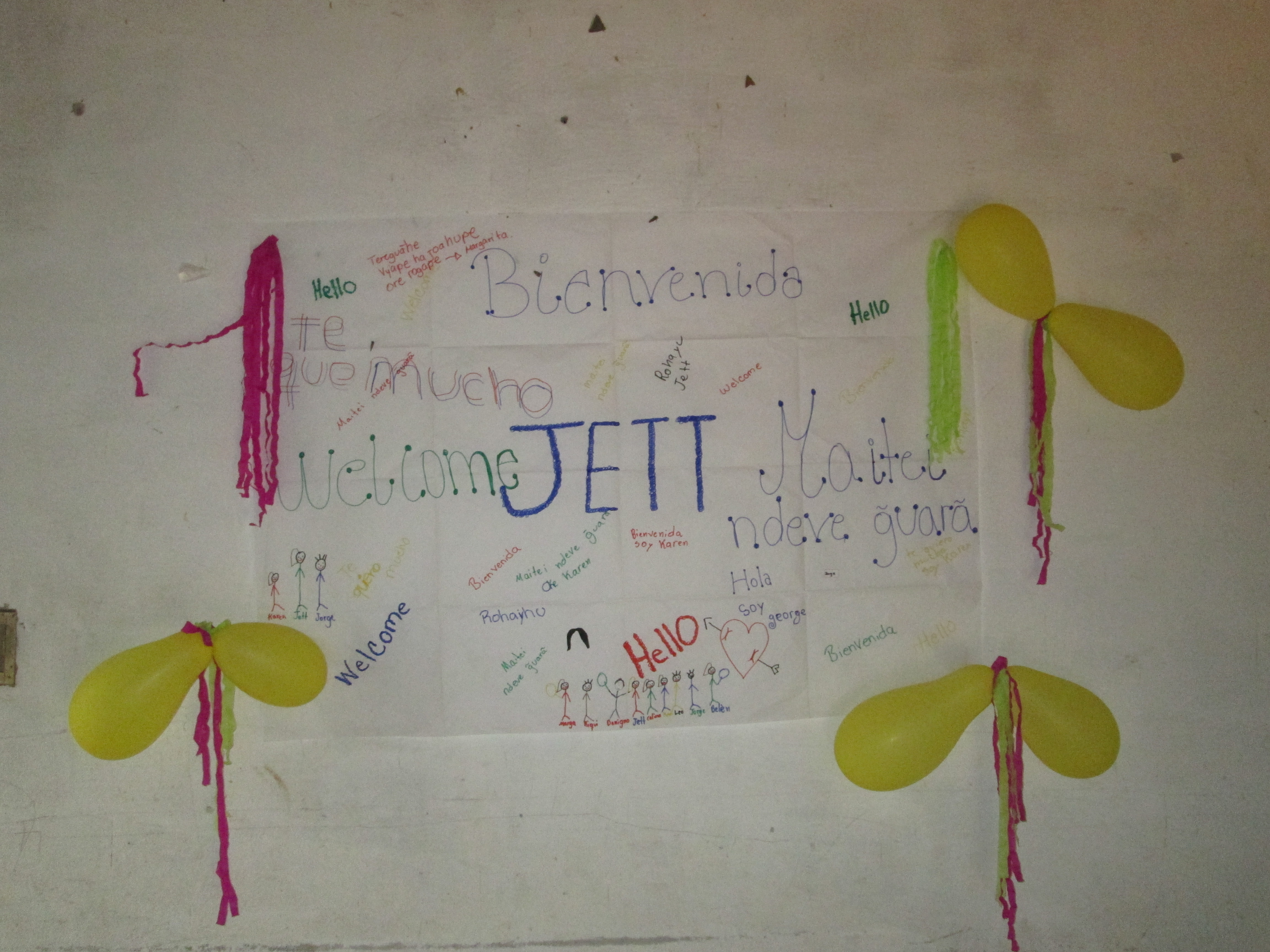
Welcome from my site host family!

Welcome from my site host family!

Holy cow! I know where I’m going to live and work the next 2 years…in Paraguay.

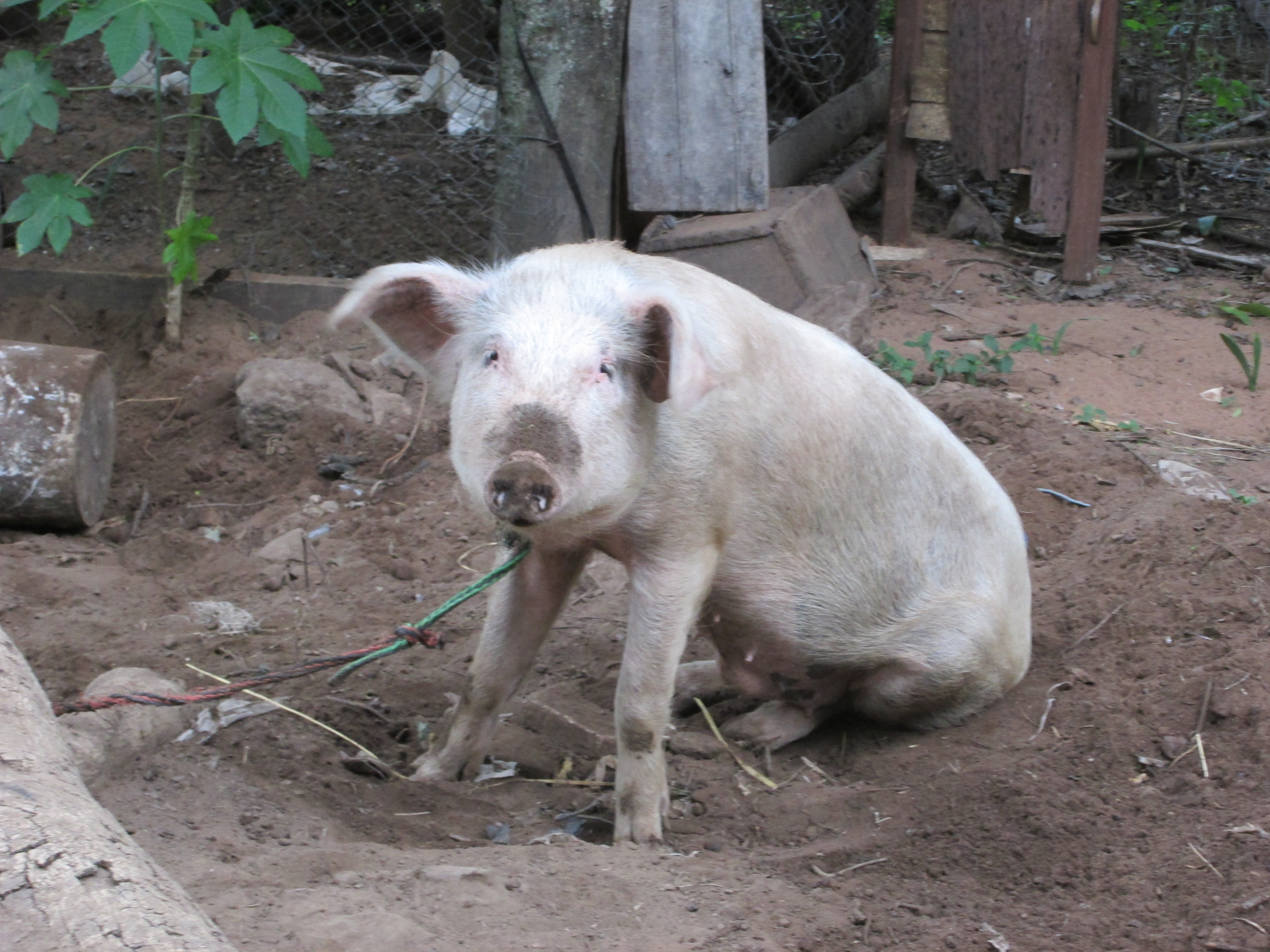
One of my pig neighbors.

One of my pig neighbors.

Milking time.

Milking time.

I spent the last 5 days visiting my future site. I move there to start my work as a sworn-in Peace Corps volunteer on April 11.

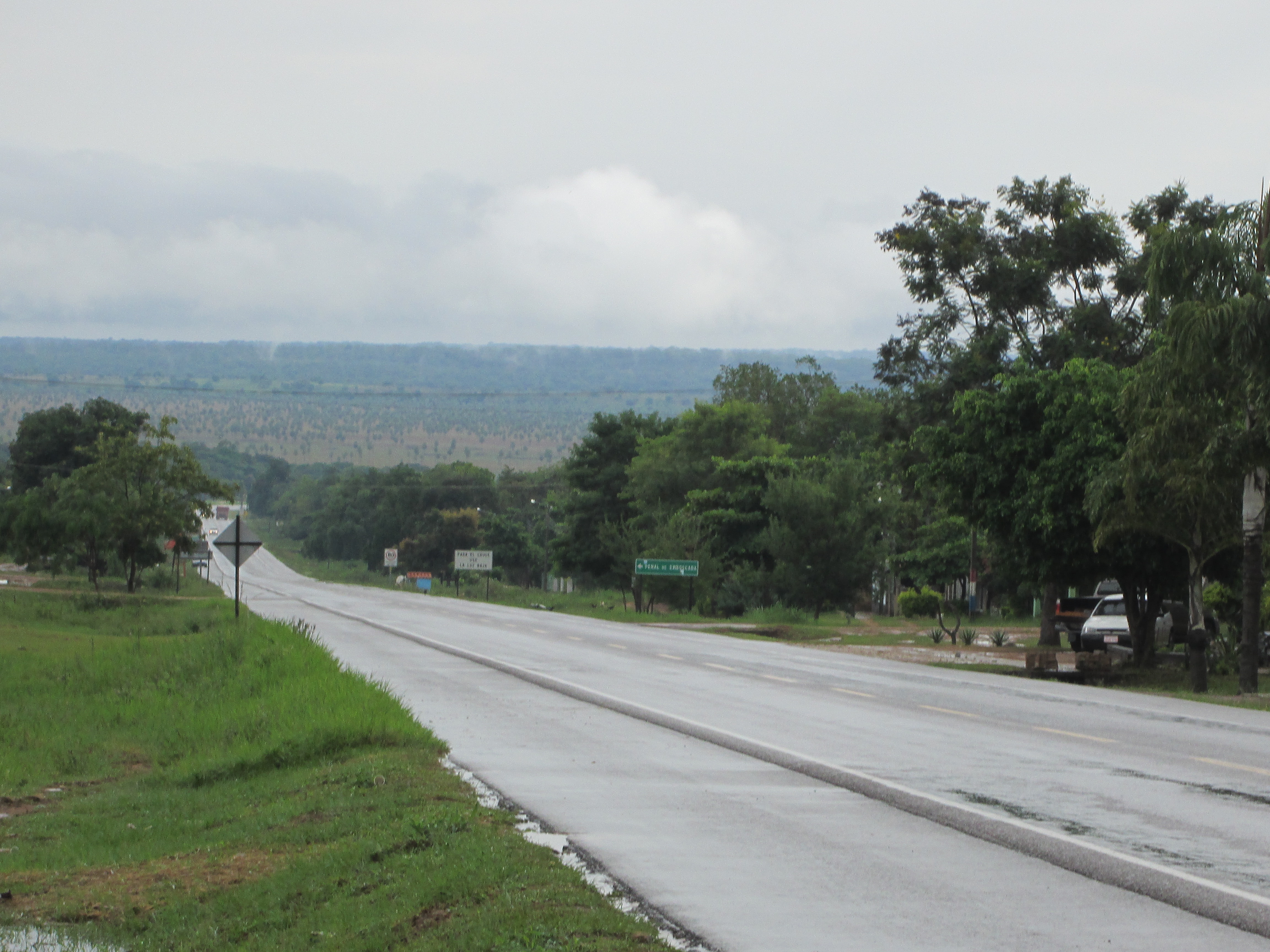
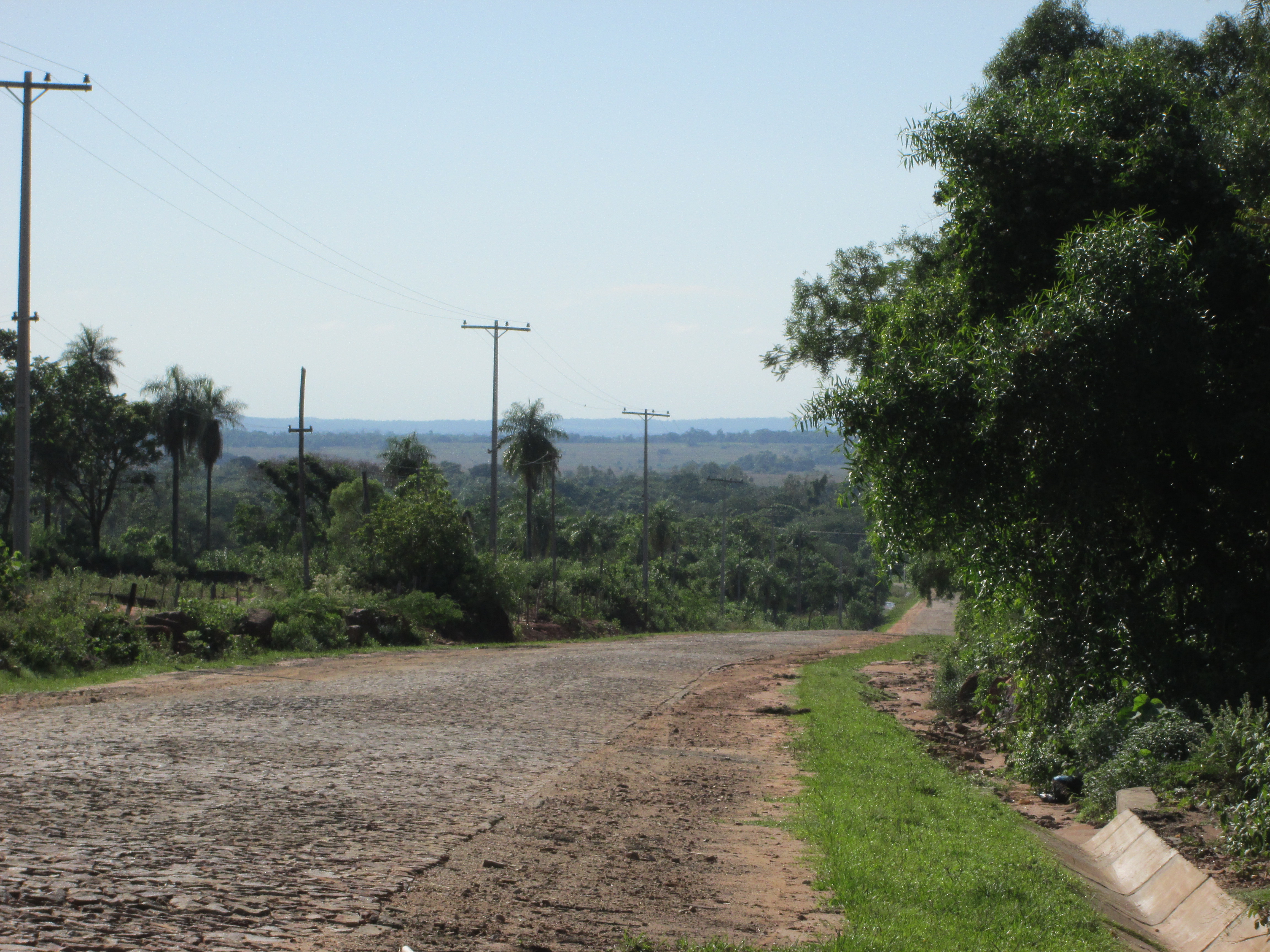
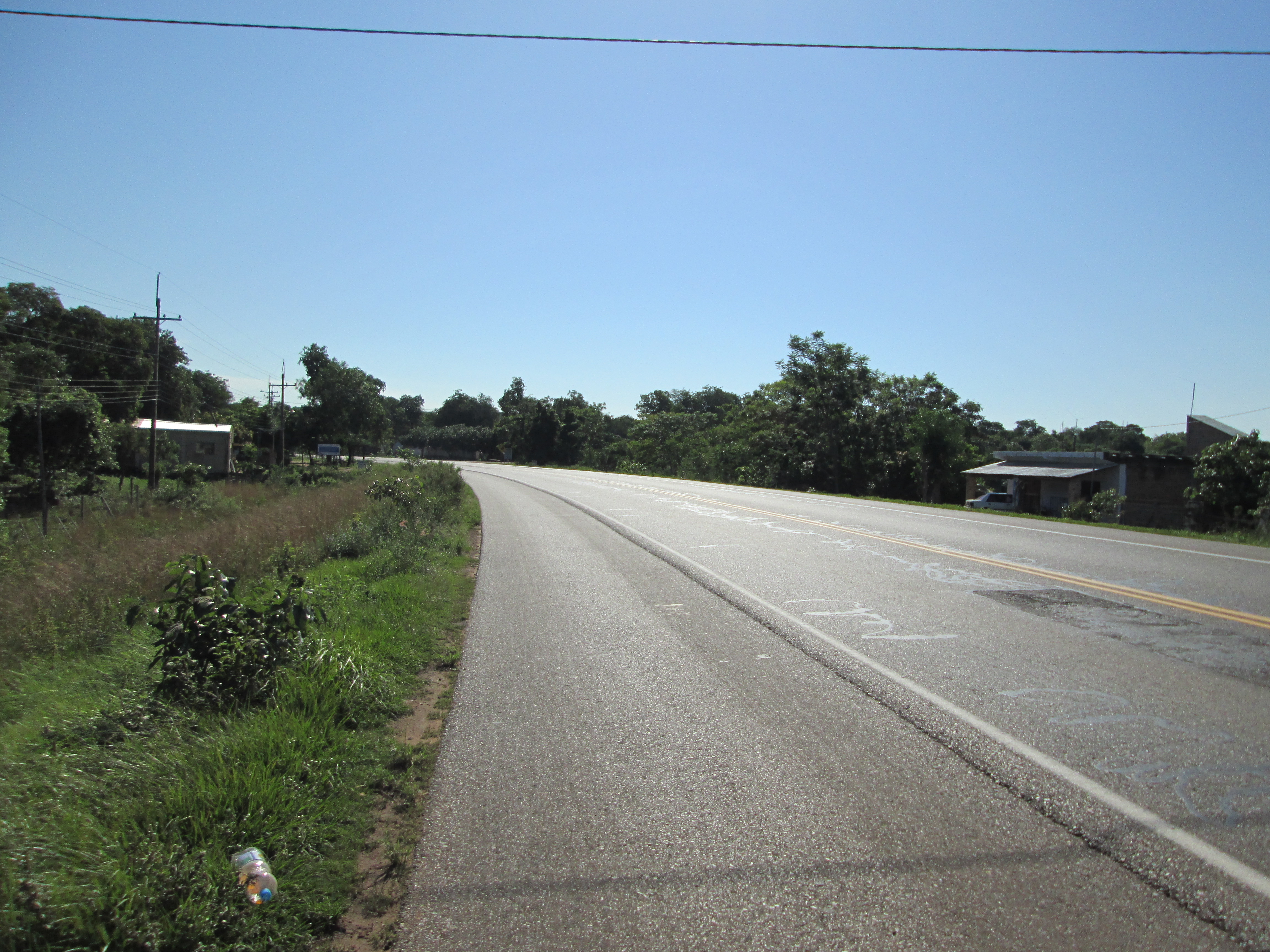
View from the ruta.

View from the ruta.

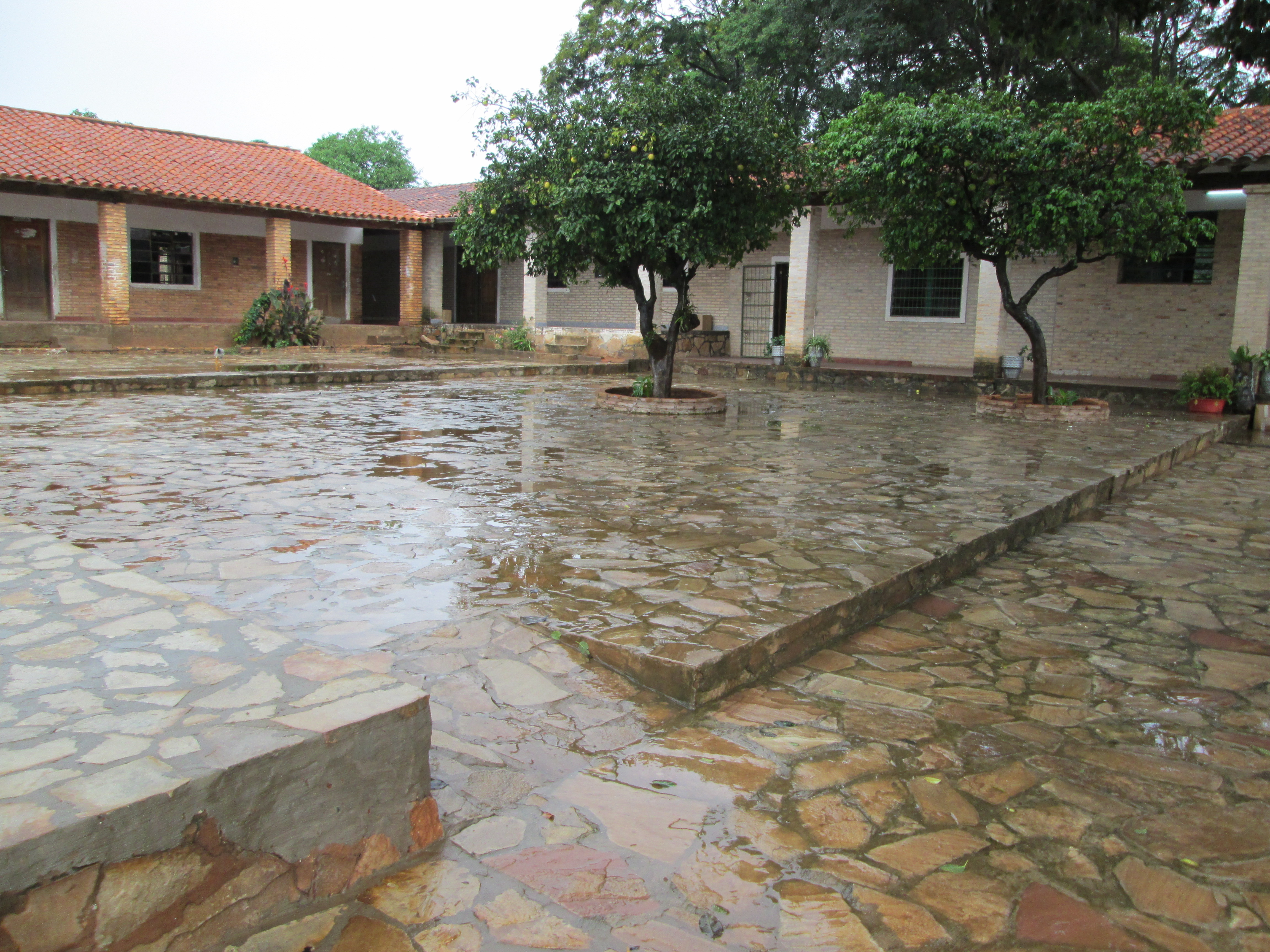
School where I will work.

School where I will work.

My site is beautiful, the people are welcoming and guapo, I’m close to Asunción and a huge supermarket, and it looks like I will have a lot of work to do (if I play my cards right and have a little luck).  My host family is large and friendly. I have a room with a lock. I feel spoiled.

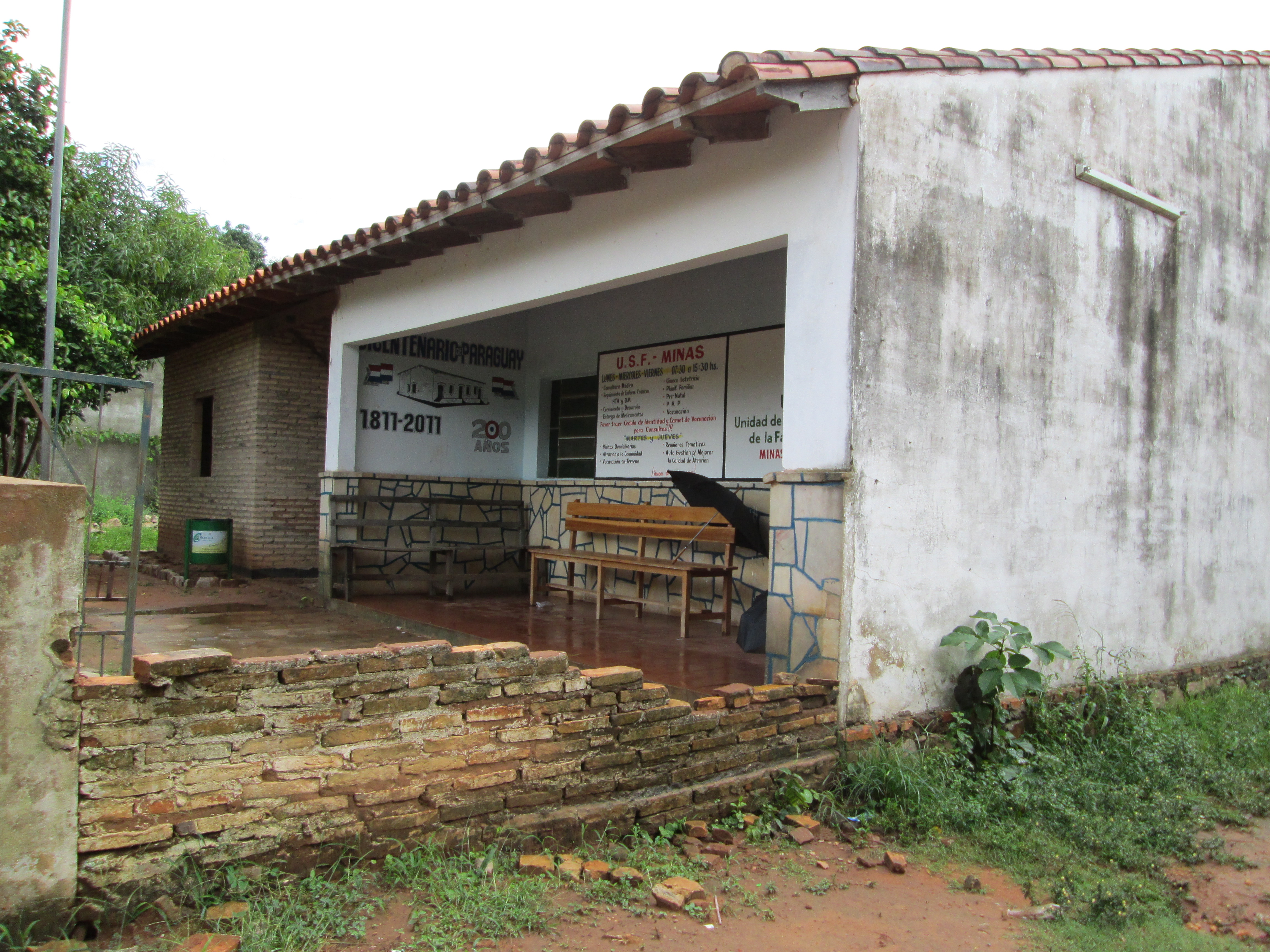
Health post where I will work.

Health post where I will work.

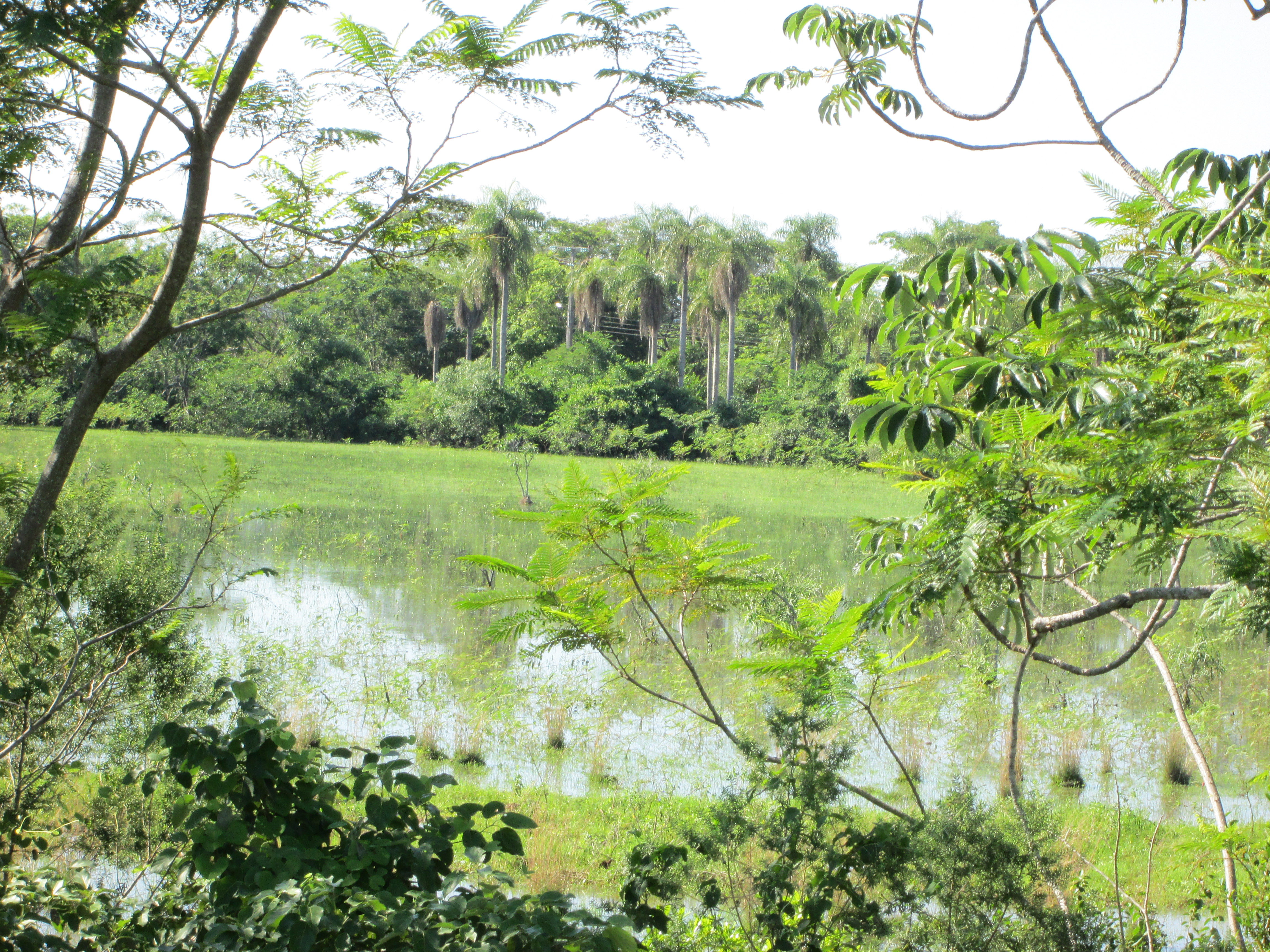
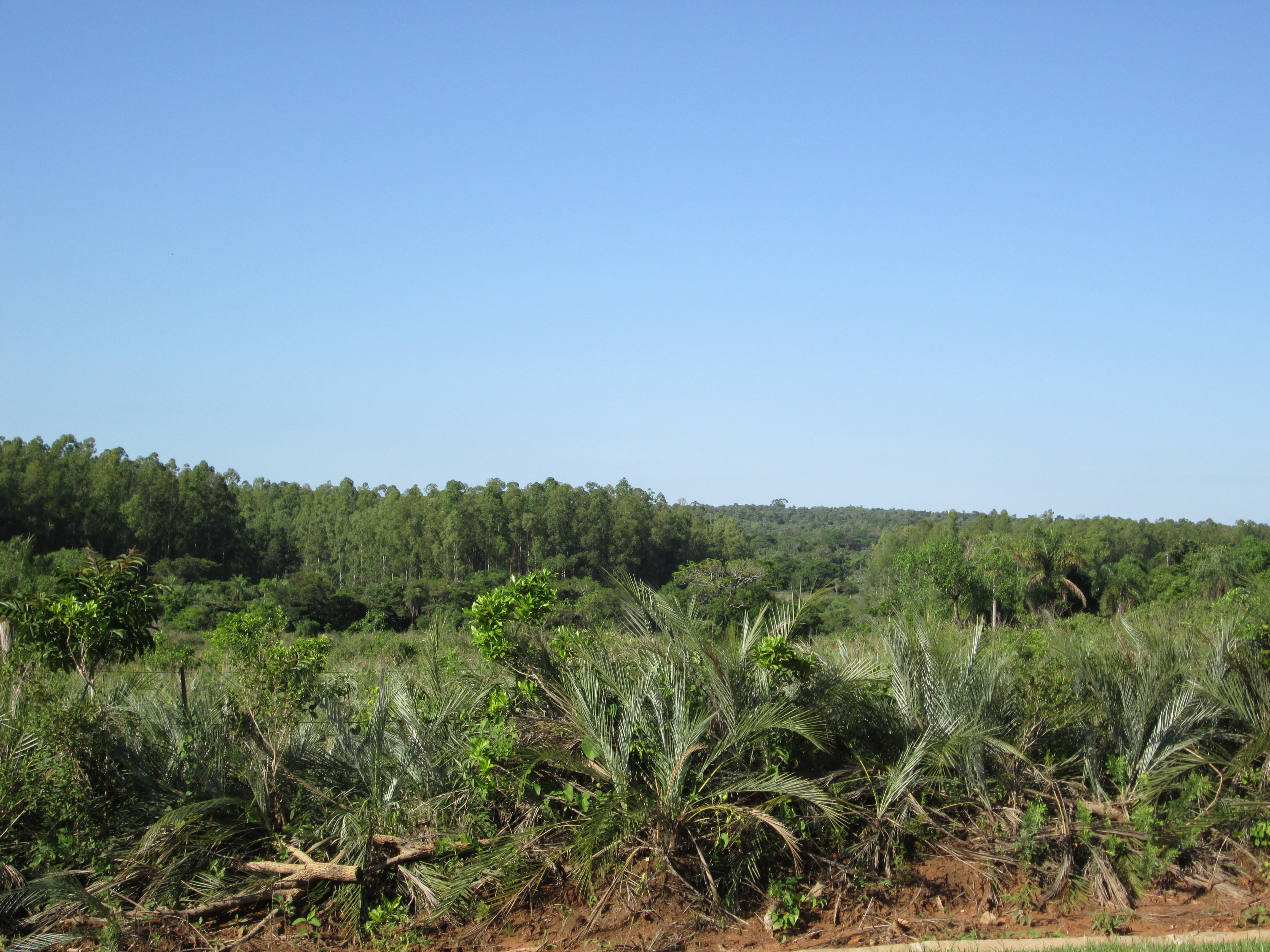
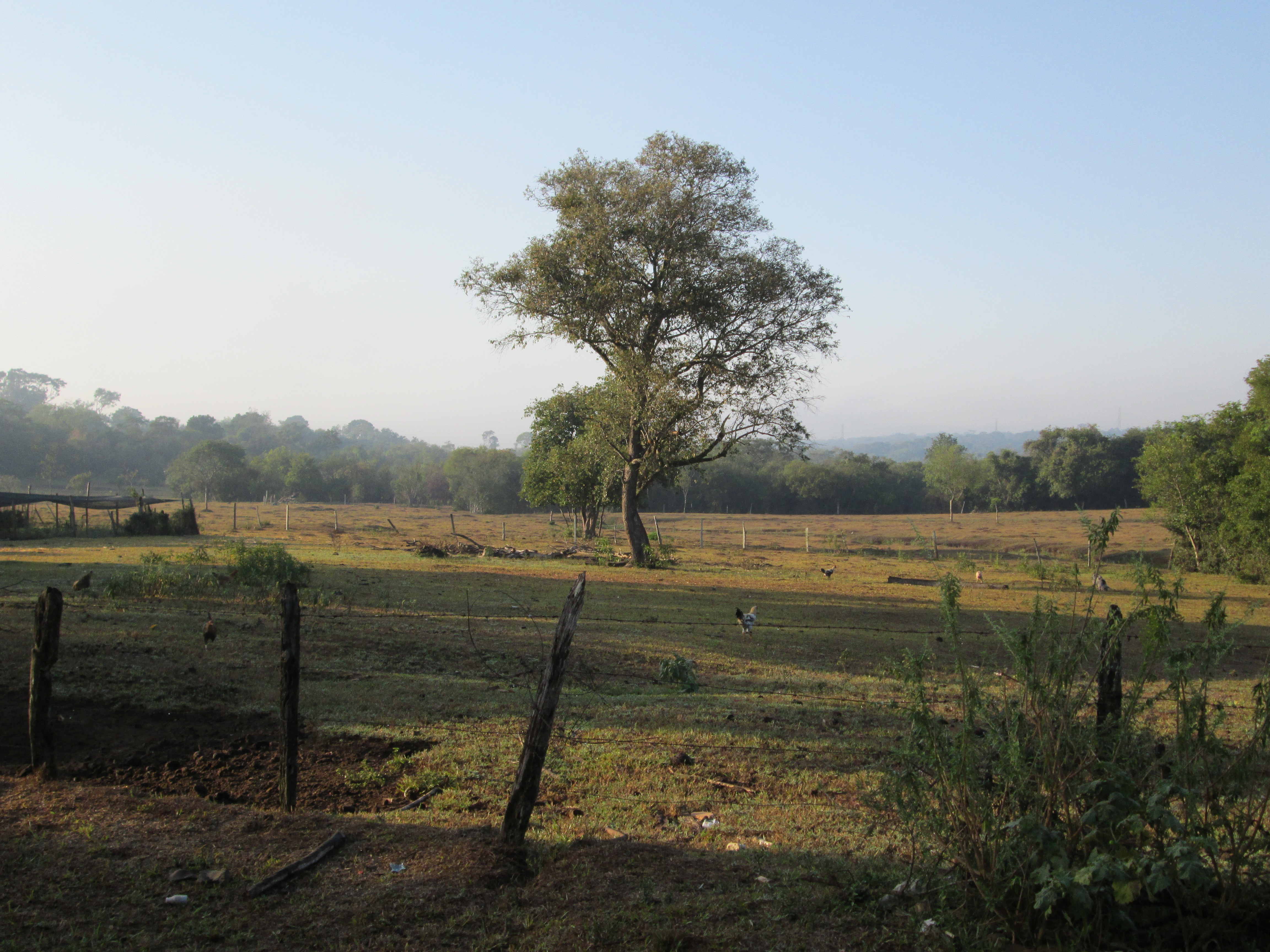
Views from around town.

Views from around town.

I was nervous to visit my site for the first time. What if my host family didn’t like me? What if I didn’t like them? What if the people in my site didn’t want me there? What if…?  Waiting to get my Peace Corps site was an introduction to a level of nervous-excitement I didn’t know existed.

Views from around town.

Views from around town.

Views from around town.

Views from around town.

Let me explain. Living with a host family is hard. Moving to a new community where people don’t speak your first language is hard. For those of you who haven’t studied abroad or lived with a host family (and a host community), it feels a lot like meeting, for the first time, the family of the significant other you hope to marry.

You want to make a good impression while still being honest about yourself. You want them to like you and you hope that you like them. You want everything to go smoothly and you want them to want to get to know you better.

My site visit went well. I chatted, drank terere, walked around, went running, attended a soccer game…I visited the high school and health post where I am going to work. I felt safe there. I even think that, with time, my site will feel like home.

My site reminds me of Vermont. It’s green—it’s full of rocks and trees and has cows that wander across the road.


A 10-Point Bucket List: Countdown

Family farm on long field visitI have 1.5 weeks until I learn were my site is going to be. Here’s my oh-gosh-training-is-almost-over bucket list.

  1. Polish my “elevator pitch” for the following questions…because people are liable to ask them shortly after or when I meet them.
    1. Are you married? Do you have a boyfriend?
    2. Why are you in Paraguay?
    3. What is the Peace Corps?
    4. Why are you doing the Peace Corps?
    5. Are you Catholic?
  2. Identify what makes a place feel like home and think about how I might apply that to my future site. Sometime ago, I realized that I’m only as happy as I am with my home. It may seem like a minor thing for some people, but for me things tumbledown if I don’t set up a good camp.
  3. Be ready for the little things so they don’t get to me. If my site visits taught me one thing, it’s that my service is going to be filled with countless, endless, little annoyances. These will range from the same dang polka blasting from my neighbor’s house just as the roosters stop crowing to families dumping kids on me for baby sitting.
  4. Make some personal ground rules and boundaries. What kinds of things am I willing to tolerate and what kinds of things am I not willing to tolerate?
  5. Develop some strategies for child and classroom management. Children are everywhere and they are a huge part of many volunteers’ lives. I need to prepare for them to be a large part of my experience as well.
  6. Dig in my heels and do the legwork. So much depends on good, trusting relationships. Take the time to make them. In the words of my father, “Measure twice, cut once.”
  7. Dedicate myself to learning language. Do what it takes to learn how to communicate about the daily basics—Guarani or Spanish.
  8. Look beyond the bounds of my community to round out my workload, if needed. Peace Corps runs camps, committees, and other programs to achieve the Peace Corps goals. Get involved.
  9. Take it a day at a time but don’t forget the big picture. Pieces make up the whole, but if I can’t see the whole the pieces have no meaning.
  10. Think positive thoughts. I can do this.

Long-Field Visit

Long'Field viewThis past week I went on a second site visit. This time I traveled with 4 other trainees and 1 language teacher.  We spent 3 nights in the community of a current volunteer. We had language classes at the volunteer’s house and helped the volunteer with projects like giving health presentations and making dish soap.

I stayed with a host family on a humble farm with a wonderful view. The fields lightly peppered with trees, tall golden-white grass, and cows reminded me of my childhood—rural Vermont. The corrugated-ruffed space that served as a dirt-floored dining room/living room looked just right with its hanging baskets of plants, rough-wooden chairs, and flower-patterned clothed table. Somehow the attentive audience of cats and dogs who sang songs around my feet while I ate was charming. I found myself amused and pleased by the pigs that wondered in-and-out of the living space, grunting and squeaking as they waddled. The pigs were funniest when the mother of the family locked them in a shed just next to the dining table so they wouldn’t bother her while she cooked. The pigs pushed their snouts out of a hole in the bottom of the door and gave a squealing protest.

I started my days early with a sunrise run with my host volunteer. Nothing quite lifts my spirits like a good morning run,. Next came my shower and coffee breakfast.  I’m not usually a coffee drinker, so even the mostly milk brew was quite a kick-starter.

Running water in Paraguay—showers, sinks, and toilets—are different than in the US. The simplest of shower spaces has a concrete floor with a drain with nothing separating the shower space from the toilet space. The walls of the bathroom are made of mud bricks and put together with a clay-cement-dirt mix. The showerhead is plastic and round, maybe 8 inches in diameter. There is a switch along the edge of the showerhead were you can select cold or warm water. The toilet has a string to flush it that is attached to a tank mounted on the wall about 5 feet above the floor. The sink faucets in the bathroom (and kitchen) are frequently plastic.

In the morning, at the volunteer’s home, I had Guarani class. The afternoon was filled with laugher, health presentations in the 30-student community school, and chatting in a mix of English, Spanish, and Guarani: They say that volunteers leave Paraguay speaking 3 languages poorly. My group gave a dental hygiene presentation to community parents a day early because plans changed at the last minute and we redesigned our recycling presentation for kids halfway through because the activity we planned wasn’t working for the students. We made bubblegum colored dish soap and tried double digging the volunteer’s garden. I say “try” because the site I visited hasn’t seen rain for about 3 months and the soil was like a firmly packed, dirt road on a crisp Vermont-autumn day—pretty dang hard.

I have almost 2 weeks before I learn where my site will be. Nothing has helped me feel as ready as the volunteer site visits. I’ve gotten to practice my language skills with community members and to see what life, as a volunteer, is really like. I spent my first site visit learning what it means to be a volunteer and confirming that the Peace Corps is right for me. This second visit, to a different site, I spent learning how I can be a volunteer once I get to my site. It’s hard to explain how helpful it’s been to have my host volunteers answer the waterfall of questions I’ve had, share their stories and insights, and show me that being a volunteer is real, not just an amazing dream.

Terere – A Drink of Champions

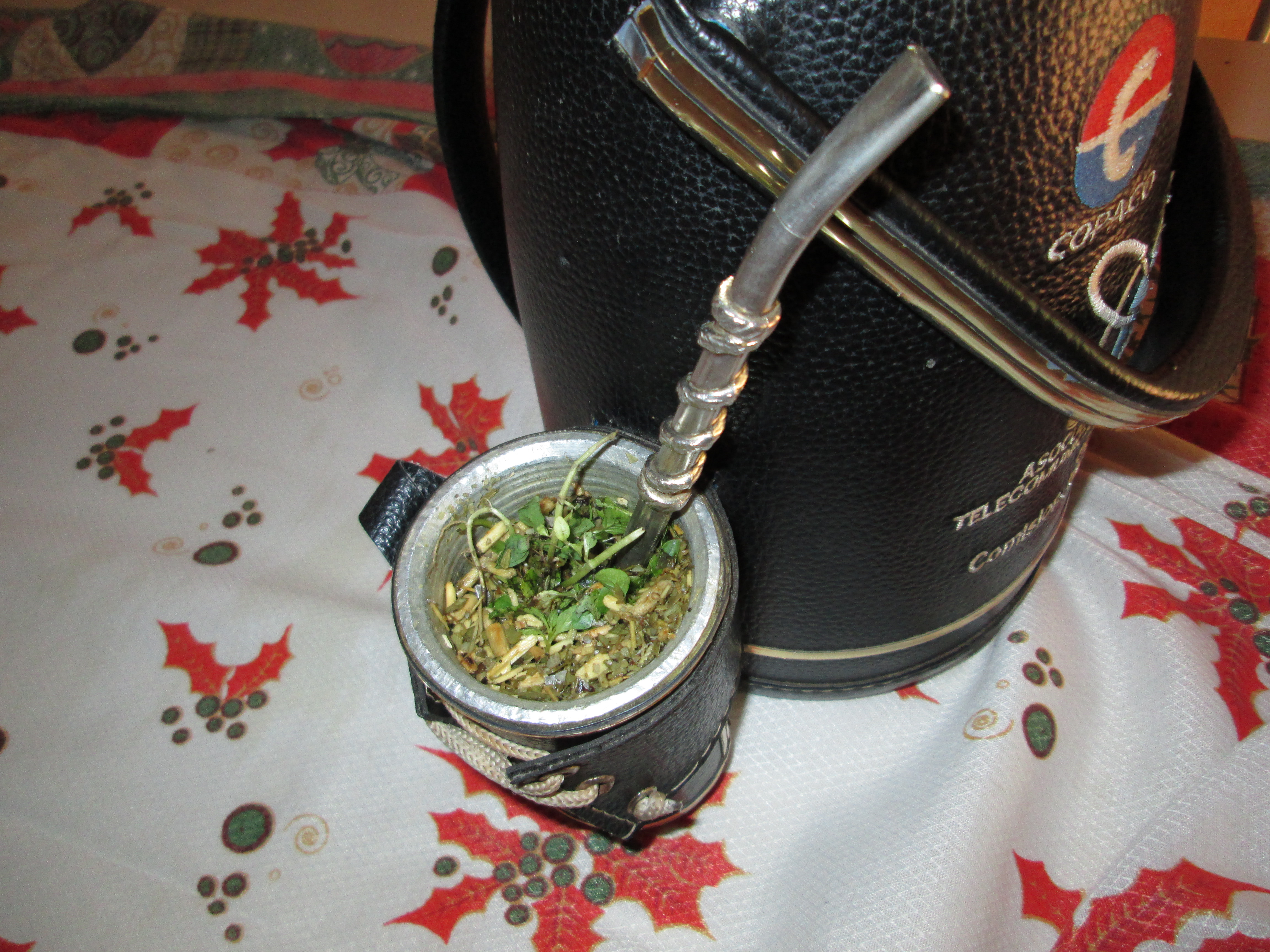
Cup, straw, and water container for drinking terere

Cup, straw, and water container for drinking terere

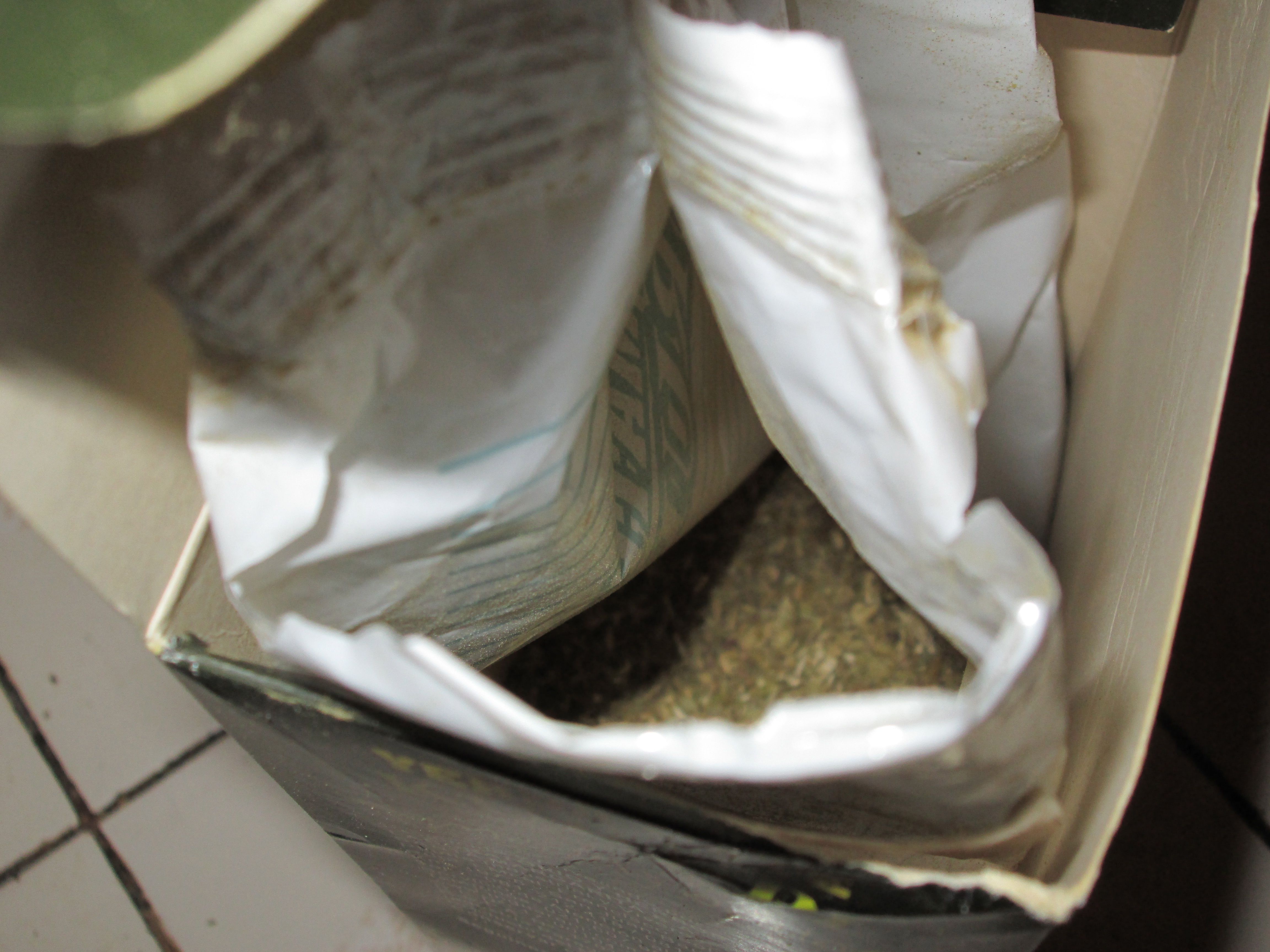
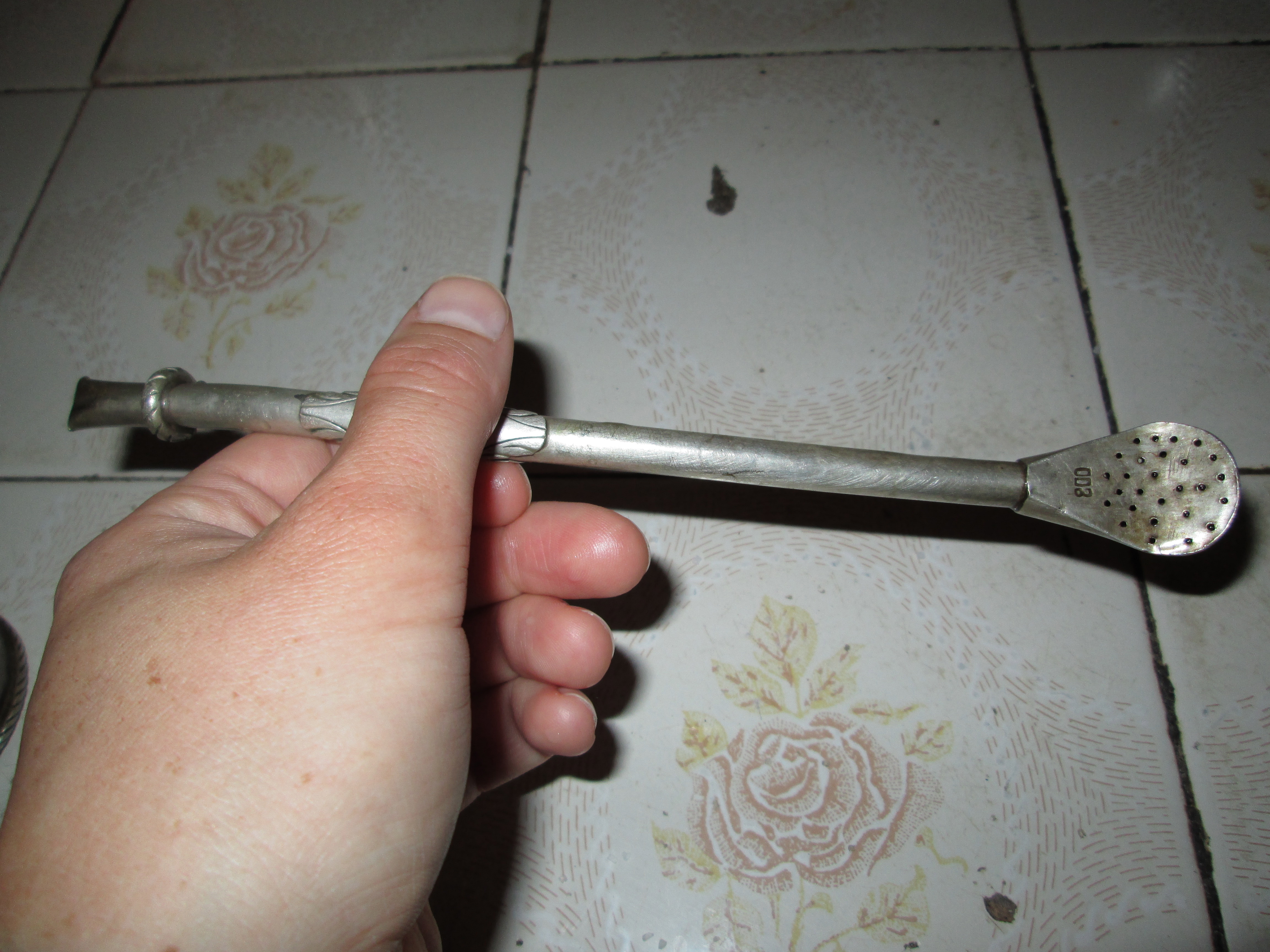
Terere is a drink that consists of yerba mate. The yerba mate is dried and is often mixed with other herbs. My favorite blend has boldo and mint. The dried herbs are poured to fill about two thirds of a cup (there’s a special cup for terere that’s called a guampa). Cold water is poured over the herb mixture. You drink terere through a medial straw called a bombilla that has something like a tea filter/strainer on the tip. You can also put fresh herbs or lemon in the water you use to pour over the herbs.

Most Paraguayans drink terere, and they drink it a lot. I’d say terere is the first free-time pastime, surpassing soccer because you can drink terere while watching soccer. Drinking terere is social and can go on for hours.

Yerba mate

Yerba mate

You can drink terere alone or in a group. When drinking in a group, everyone drinks from the same cup and there are some basic social guidelines:

  • The first cup poured is for Saint Thomas. Why? The water is absorbed by the dry yerba mate so no living person can drink it.
  • When serving terere you should pass to your right. The water should be poured into the cup so that it just covers the dried herbs.
  • When you get the terere cup, you must drink all the liquid in the cup. You should finish it in 1 to 2 sips (I usually need 3).
  • You should NOT drink terere while you are eating or smoking because the flavor gets stuck in the straw (yuck). You also should not participate in drinking terere if you are sick. It is your responsibility to say “no” if you are sick because people will still offer terere to you to be polite.
  • You shouldn’t keep the guampa too long, so when it’s your turn to drink take a break from talking.
  • Don’t say “thank you” when someone passes you the cup unless you want to stop drinking terere. You only say “thank you” when you are done drinking.

    Bombilla

    Bombilla

Cursed Ants (aka la Hormiga)

ant hillRed ants, black ants, brown ants

Small ants, medium ants, big ants

Crawling ants, flying ants, cutting ants

We have them all in Paraguay and they all bite.

You can find them in the grass

You can find them on the patio, on the chair, and probably in my hair

You can find them everywhere

Red ants, black ants, brown ants

Small ants, medium ants, big ants

Crawling ants, flying ants, cutting ants

We have them all in Paraguay and they all bite.

Ants make hills and ants make mounds

Despite their numbers, ants don’t make sounds

But marching and creeping they do alarm

Red ants, black ants, brown ants

Small ants, medium ants, big ants

Crawling ants, flying ants, cutting ants

We have them all in Paraguay and they all bite.

Ants bite hard and leave welts

Red and swollen humps and bumps

Ants can definitely give you the slumps

Red ants, black ants, brown ants

Small ants, medium ants, big ants

Crawling ants, flying ants, cutting ants

We have them all in Paraguay and they all bite.

Never have I seen so many ants

I like them least when they crawl up and down my pants

Cursed ants, darned hormiga

Red ants, black ants, brown ants

Small ants, medium ants, big ants

Crawling ants, flying ants, cutting ants

We have them all in Paraguay and they all bite.

5 Questions: Halfway Through Training

celebrating international women's dayI’m 5 weeks through 10 weeks of training. I can’t decide if a month in Paraguay is a long time or a short time. It feels like I’ve been here for years and, yet, I still don’t feel like I know what I’m doing (Example: How much are apples supposed to cost? What would I do if, in my future house, the water stopped working?).

Questions are zooming through my brain as I prepare for the second half of training. Here’s the top 5:

  1. Where is my site going to be? I want to know where my site is NOW! It’s exciting to think about, but alas I won’t know where I am going to be working  for the next 2 years until March 25. Site placement determines almost everything about one’s Peace Corps experience (drumroll).
  2. How am I going to learn Guaraní? Damn, Guaraní is hard. It’s not so much that the people in Paraguay don’t speak Spanish, because many do, but most don’t speak just Spanish. Most people speak a mix of Spanish and Guaraní. They don’t just mix the words; they mix the syntax. If you don’t know Guaraní you’re…well, I’ll just say, “limited.”
  3. Why don’t I know (fill in the blank) in Spanish? You would think after the number of years I’ve studied Spanish I’d be fluent. Well, I do speak Spanish well enough: I just happen to have more vocabulary to discuss academic topics like government and literature than food. I guess it’s great that I can talk about character development, but I just wish I knew the names of all the veggies I want to eat.
  4. Will my host family (or families) in my site be as wonderful as my current host family? My current host family is great. I’m so happy to have them. I’ll be in site about 8 times as long as I’ll have been in training by the end. That’s a long time.
  5. Am I going to be able to make a difference? Talking about talking about health is easier than talking about health and talking about health is a hell of a lot easier than improving health. Will I be able to foster relationships strong enough to do projects once I get to site? Will people understand me when I talk? What kinds of projects will I do?

Guapa

SunriseIf you were to look up the word “guapo” or “guapa” (the “o” ending for men and the “a” ending for women) in a Spanish dictionary you would likely find a definition like, “beautiful, cute, or physically attractive.” And, while that definition will serve you well in most places, it won’t in Paraguay.

In Paraguay, guapo or guapa means hard working.  It is a complement that is lightly tossed around, but I think it has a greater weight than the joking way it’s delivered may imply.

If people think you’re guapa you’ll go far.  Respect is given to people who work and especially those who work hard. Why? I don’t know yet, but I have some guesses.

  • As you will hear many times, it is hot in Paraguay.  Have you ever tried to do anything when it’s over 100 degrees and humid? It’s like trying to do calculus after staying up all night. You deserve brownie points for just staying awake.
  • Things just take longer here (generally). Many people wash their clothes by hand and hang their clothes to dry. Some communities don’t have running water or modern stoves so people have to haul water, bucket bathe, and cook with a wood-burning stove. Paved roads are in the minority and newer to the scene.
  • Paraguayan culture is laid-back. One of the main free time activities is sitting and drinking terere.

We Built a Fogone

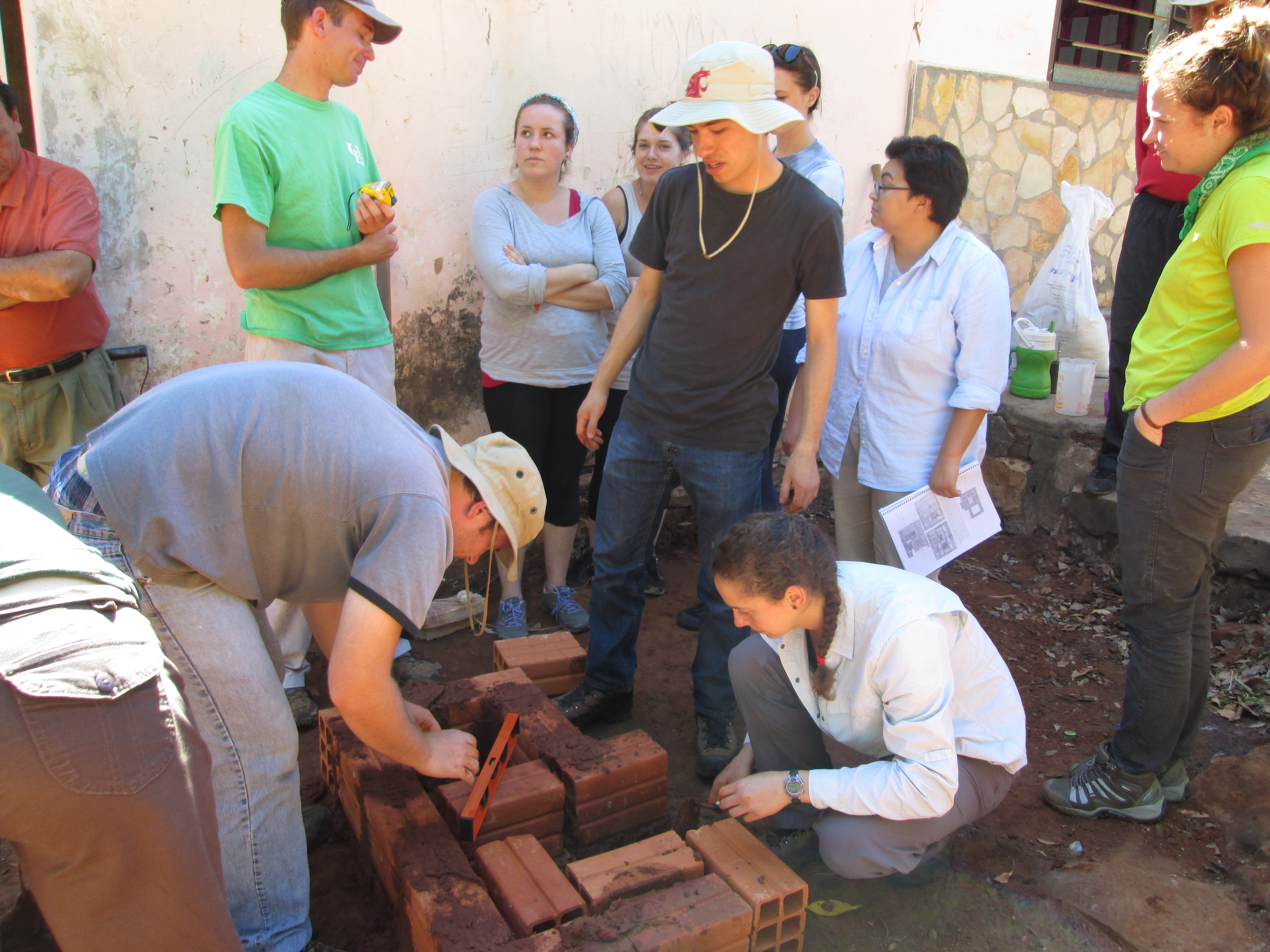
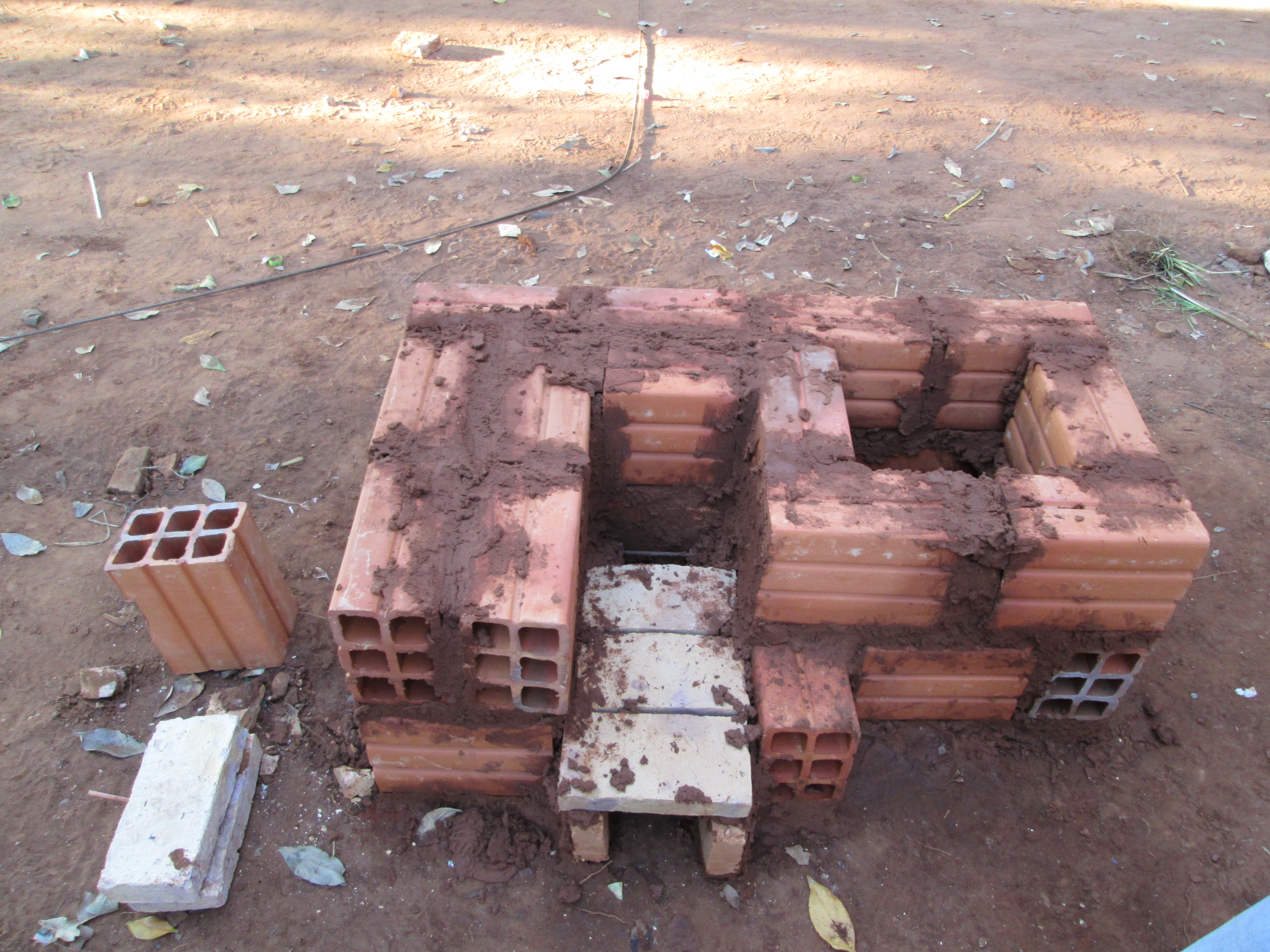
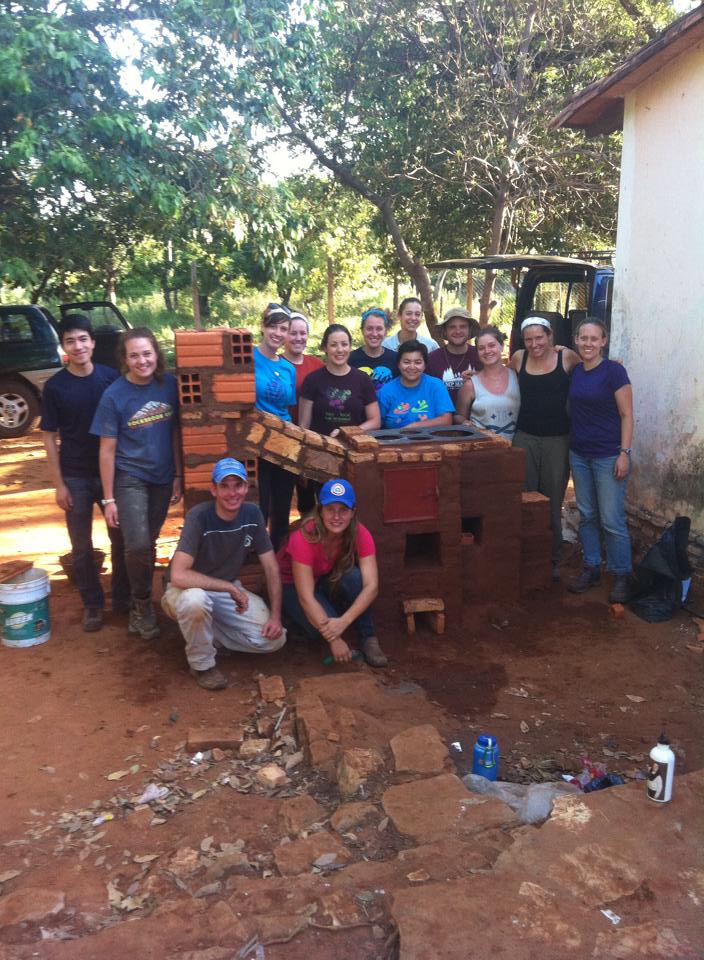
A fogone is a wood-burning cook stove. It is made out of brinks and mud/cement.

In rural areas of Paraguay some families still cook all their meals over open fires. Oftentimes these fires are under a roof or inside the house. While cooking over an open fire is just fine while you are camping, it can negatively impact health if used for all meals throughout a lifetime.

Negative effects of open-fire cooking as a part of daily life:

  • Back problems caused by having to bend over to cook
  • Increased risk of upper respiratory infections due to breathing smoke
  • Burns, a bigger risk for children playing by fires

A fogone offers an economical solution for families that use wood to cook. Gas is expensive and many traditional Paraguayan foods require a lot of time to cook. Wood is generally inexpensive and can be an environmentally friendly, sustainable option if the wood is harvested correctly.

Building the first couple layers of the fogone.

Building the first couple layers of the fogone.

First two layers of the fogone.

First two layers of the fogone.

Backside of the fogone.

Backside of the fogone.

Frontside of the fogone.

Frontside of the fogone.

Checking out the done fogone - photo courtesy of Kelsey Levering

Checking out the done fogone – photo courtesy of Kelsey Levering

The fogone is done! - photo courtesy of Kelsey Levering

The fogone is done! – photo courtesy of Kelsey Levering